


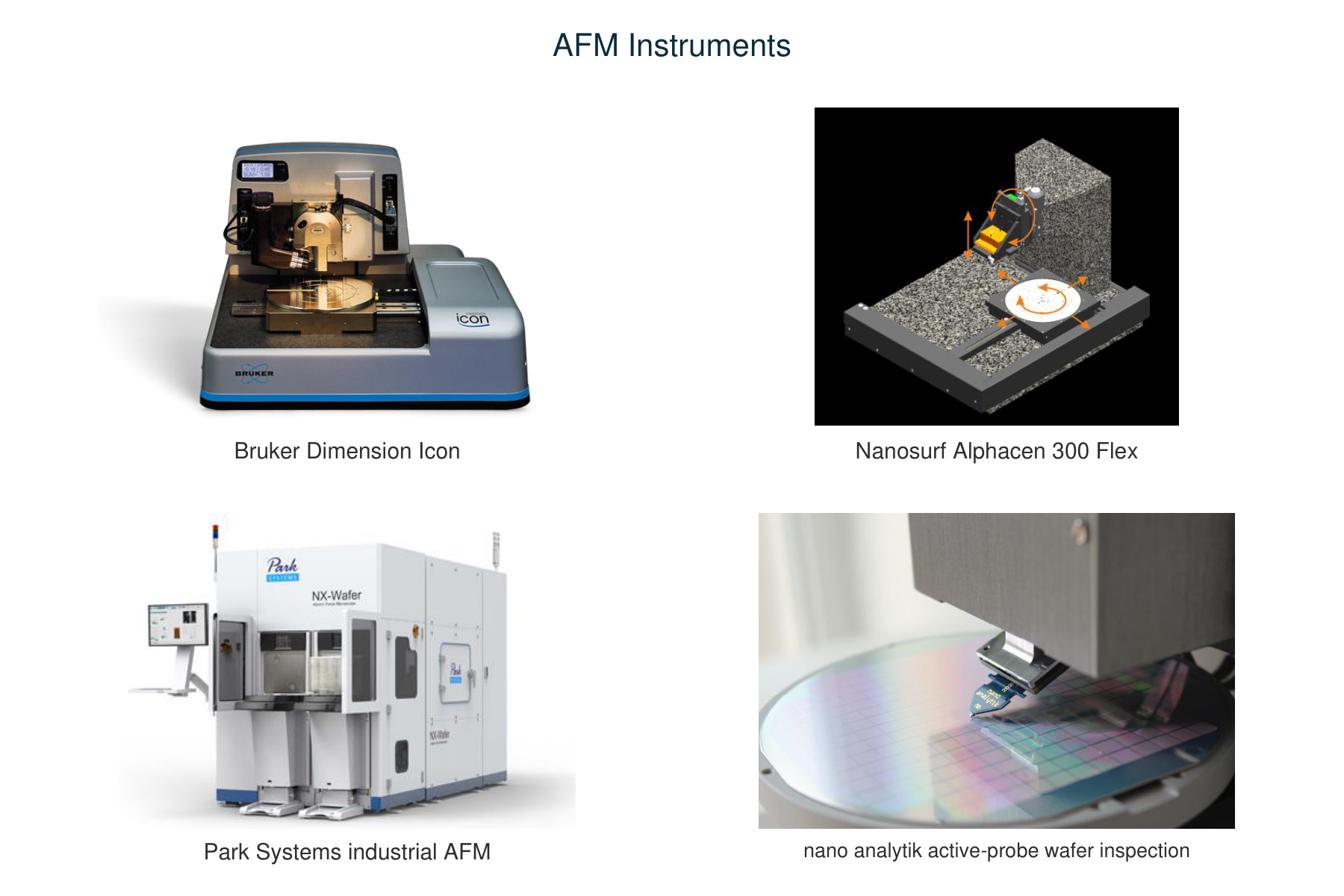


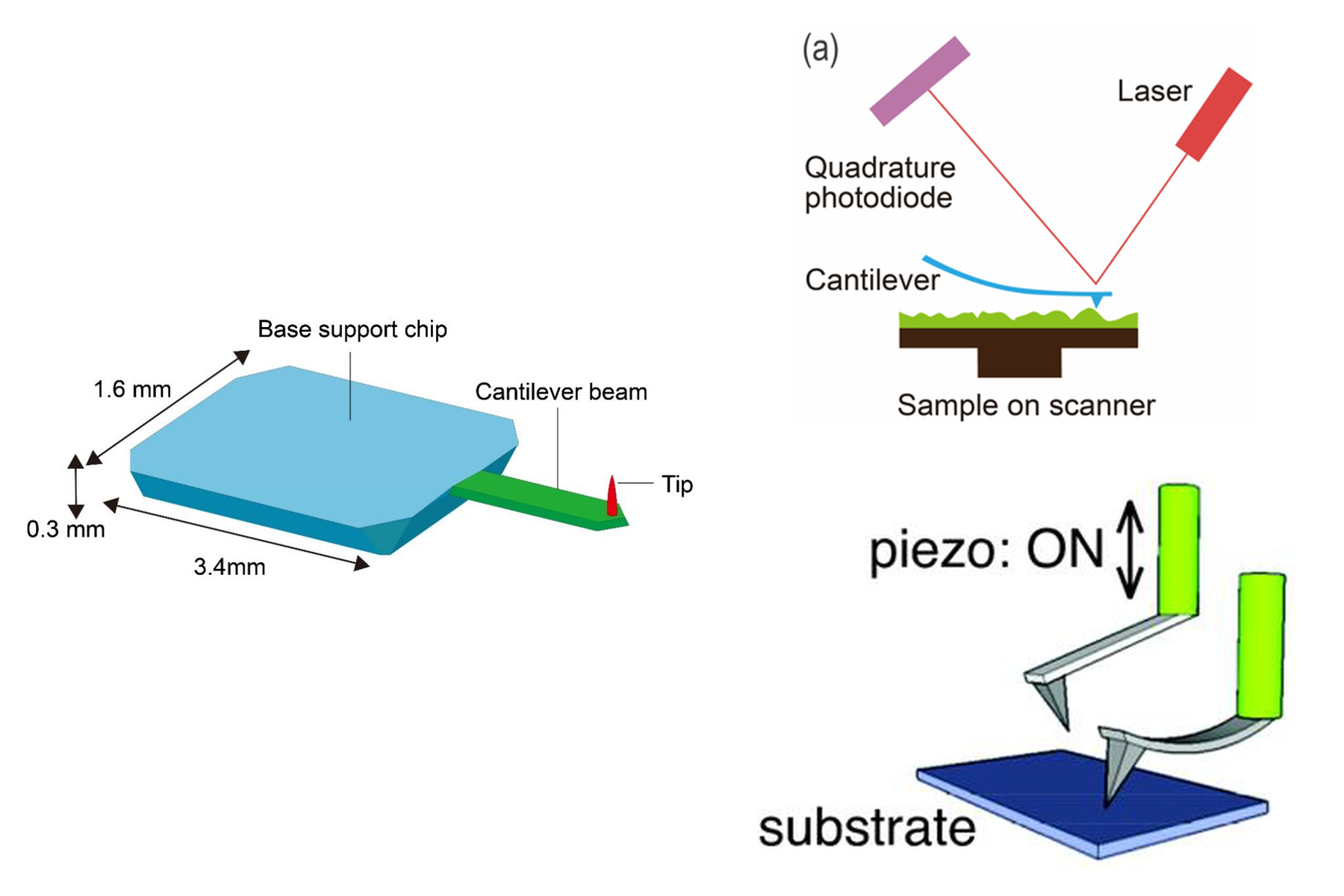
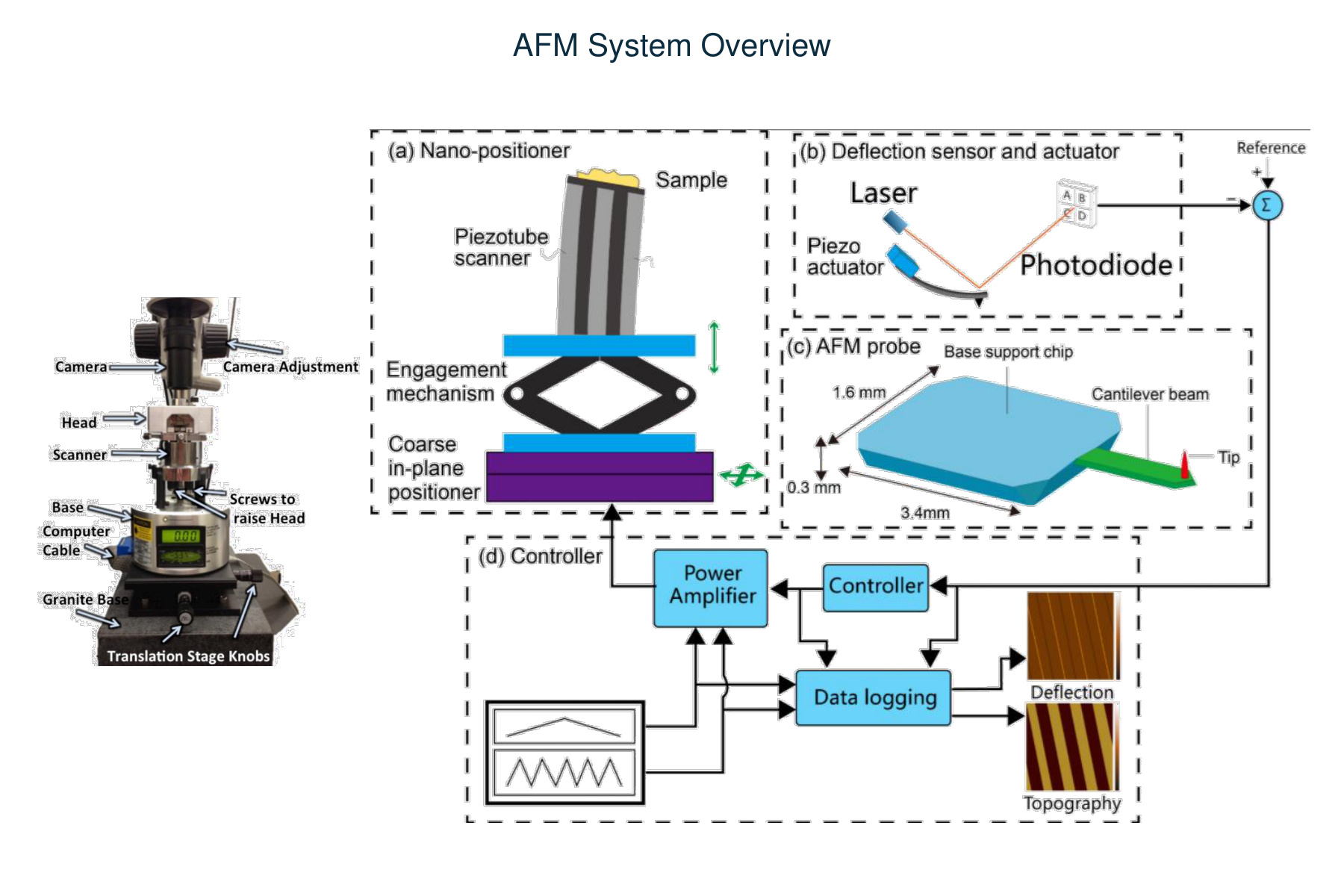
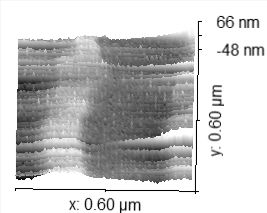


How AFM Works
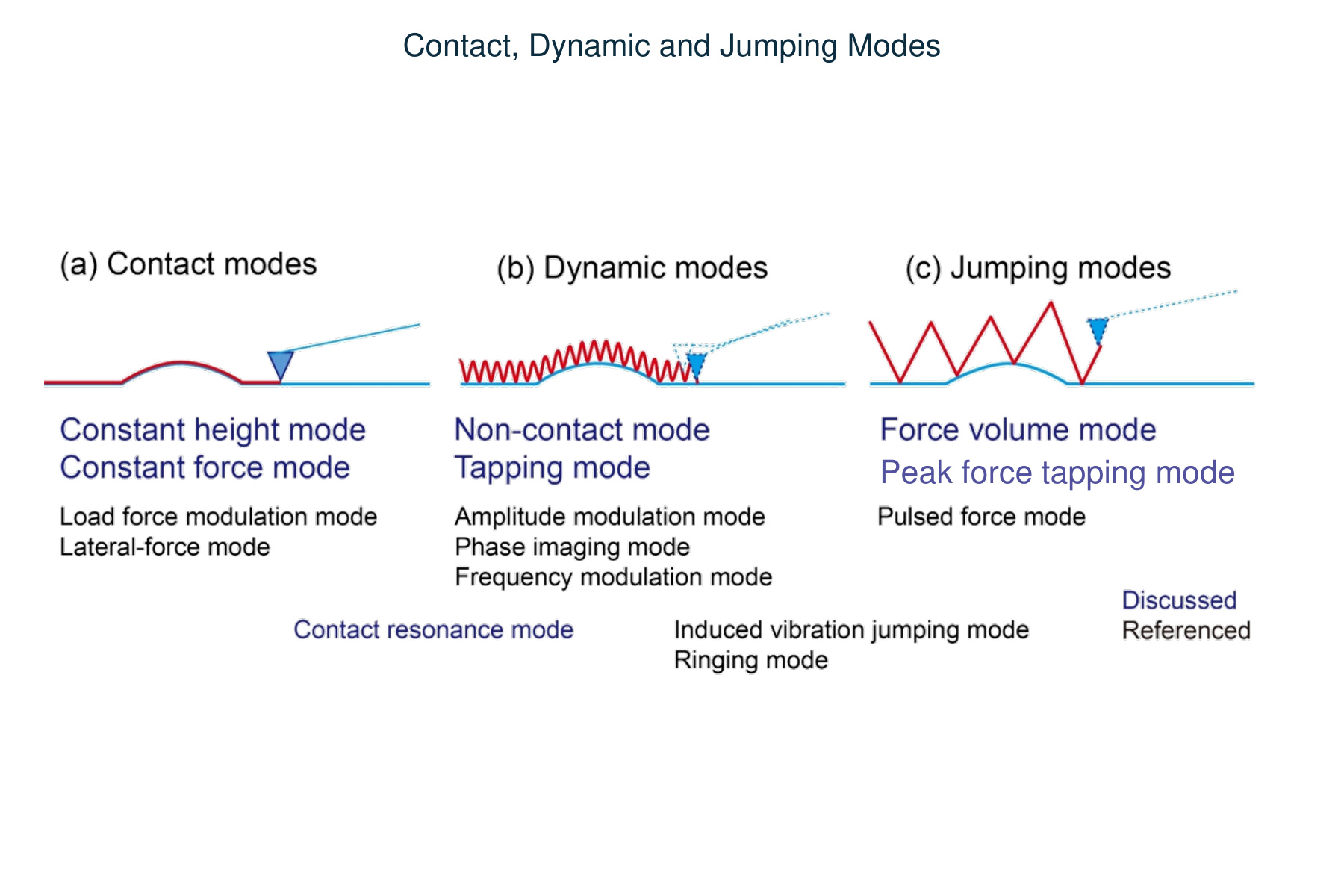
A probe scans the sample surface
while feedback maps nanoscale height.

Build a Complete Instrument
Combine the scanner, electronics
and software into a working AFM.

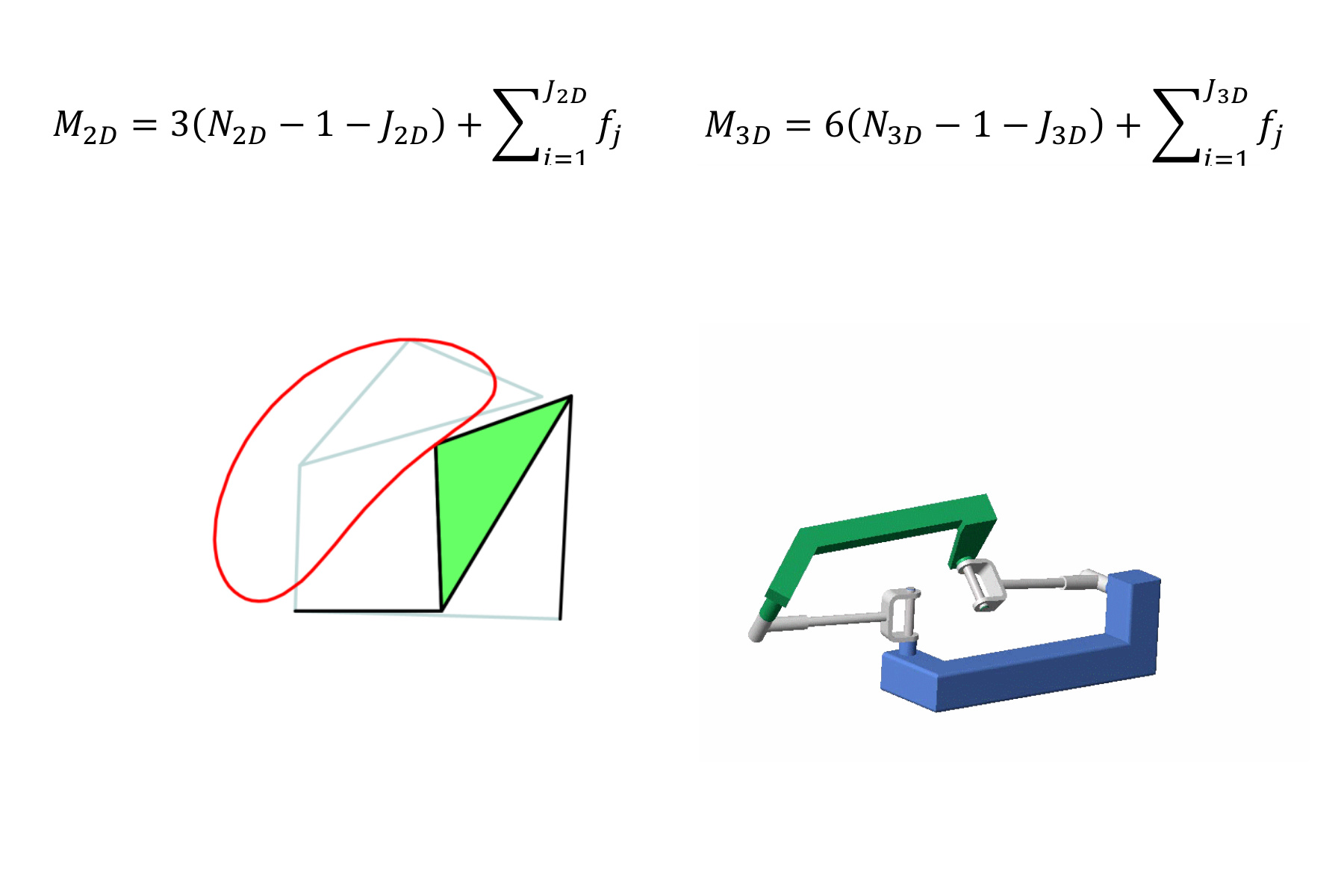
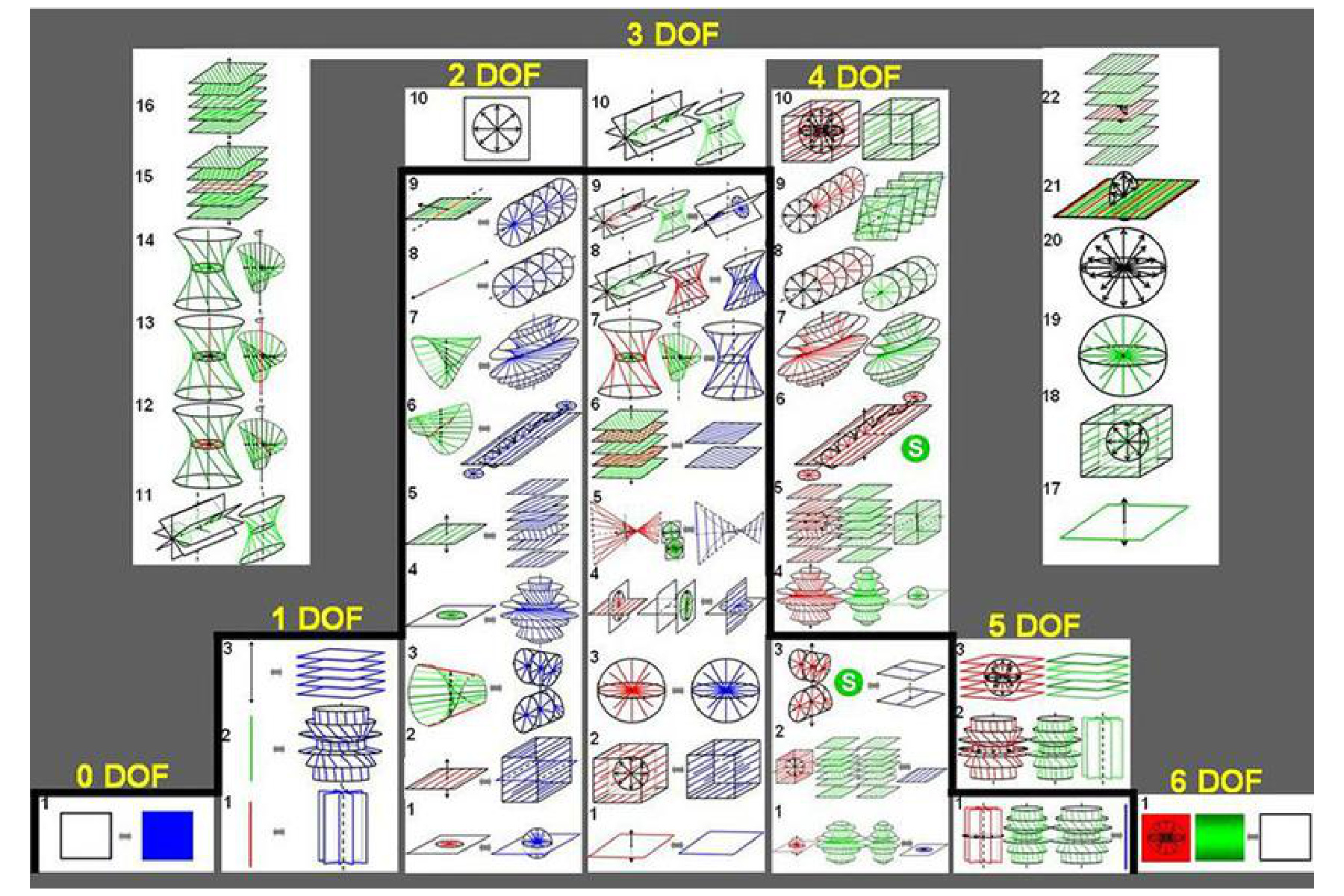
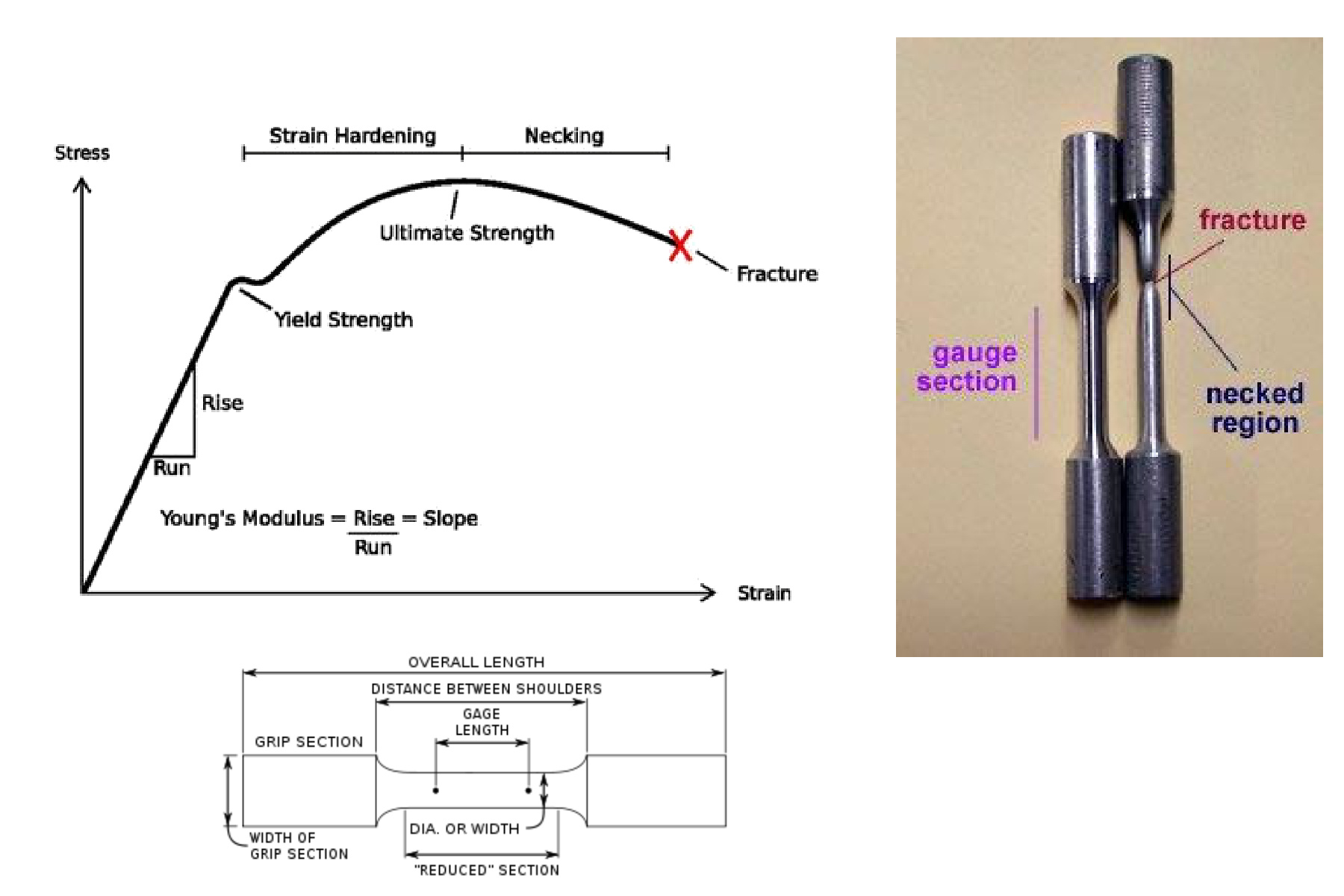
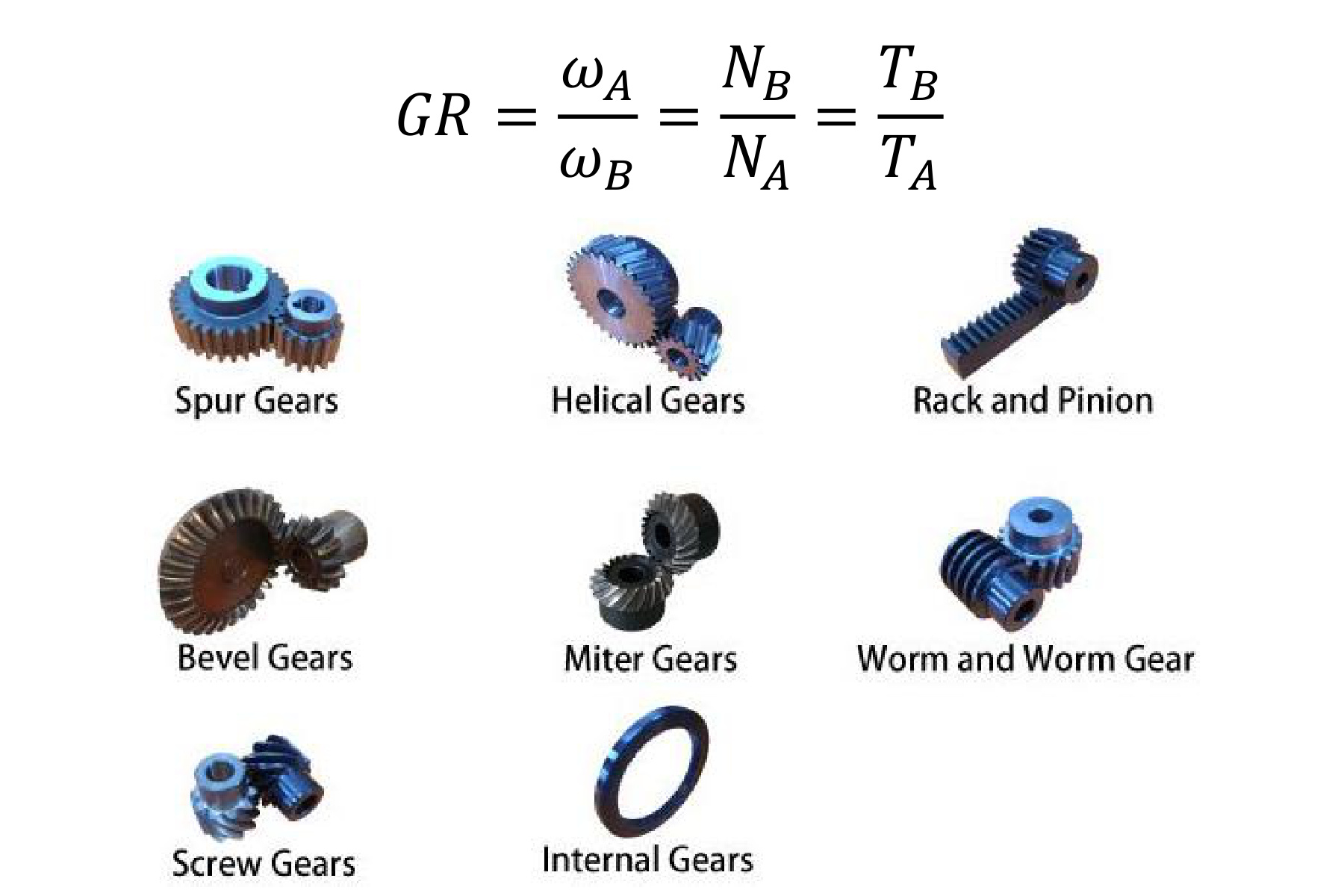
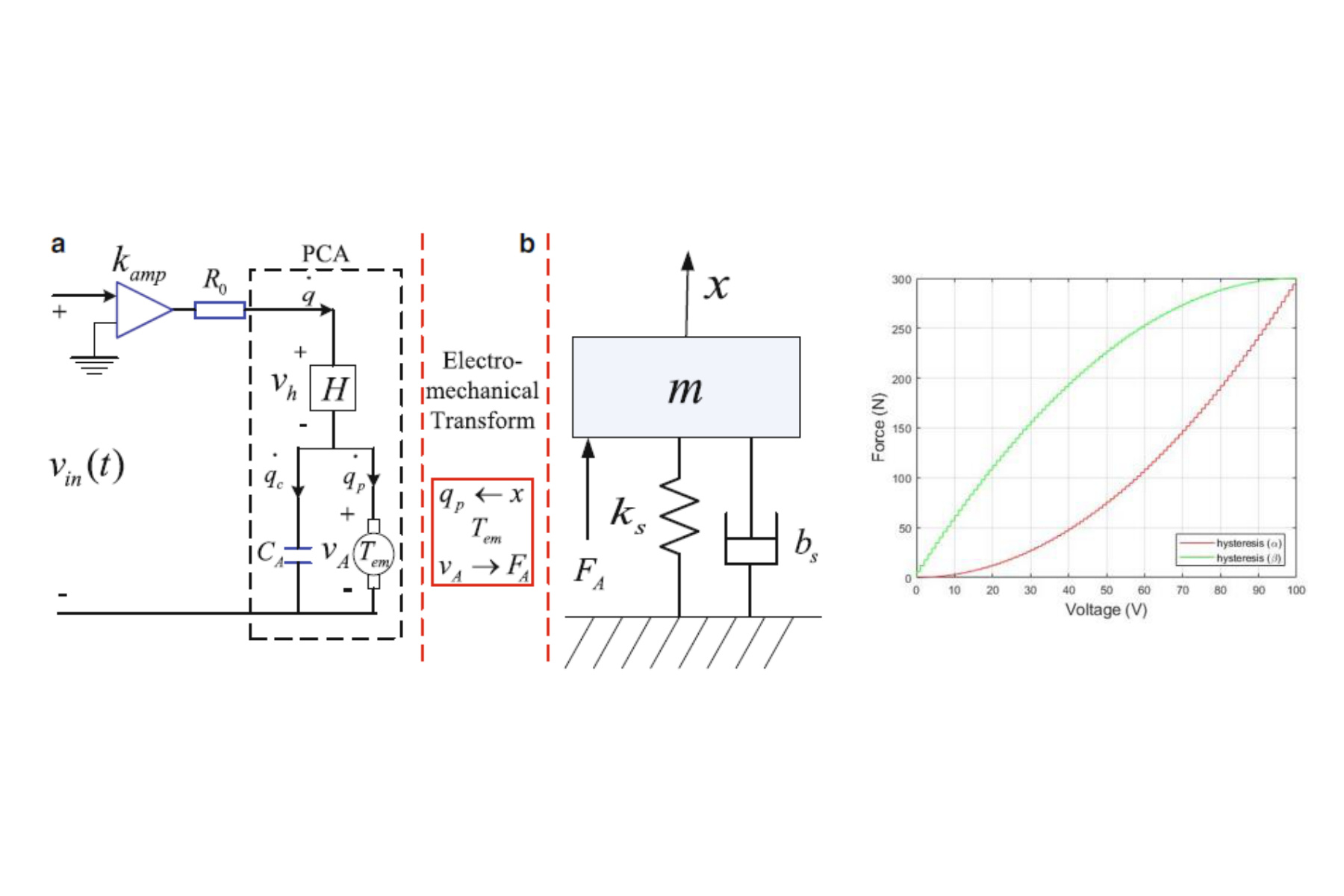
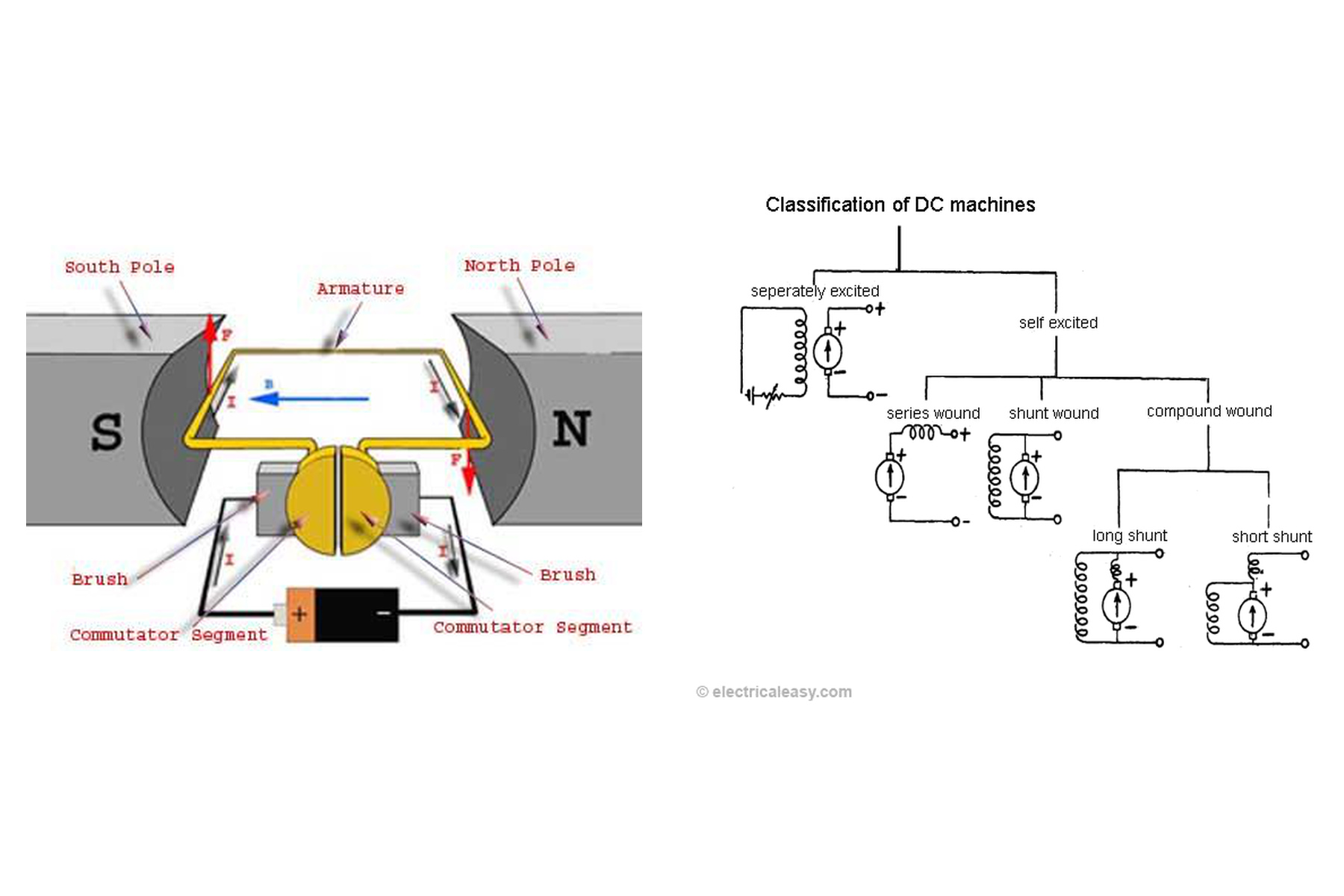
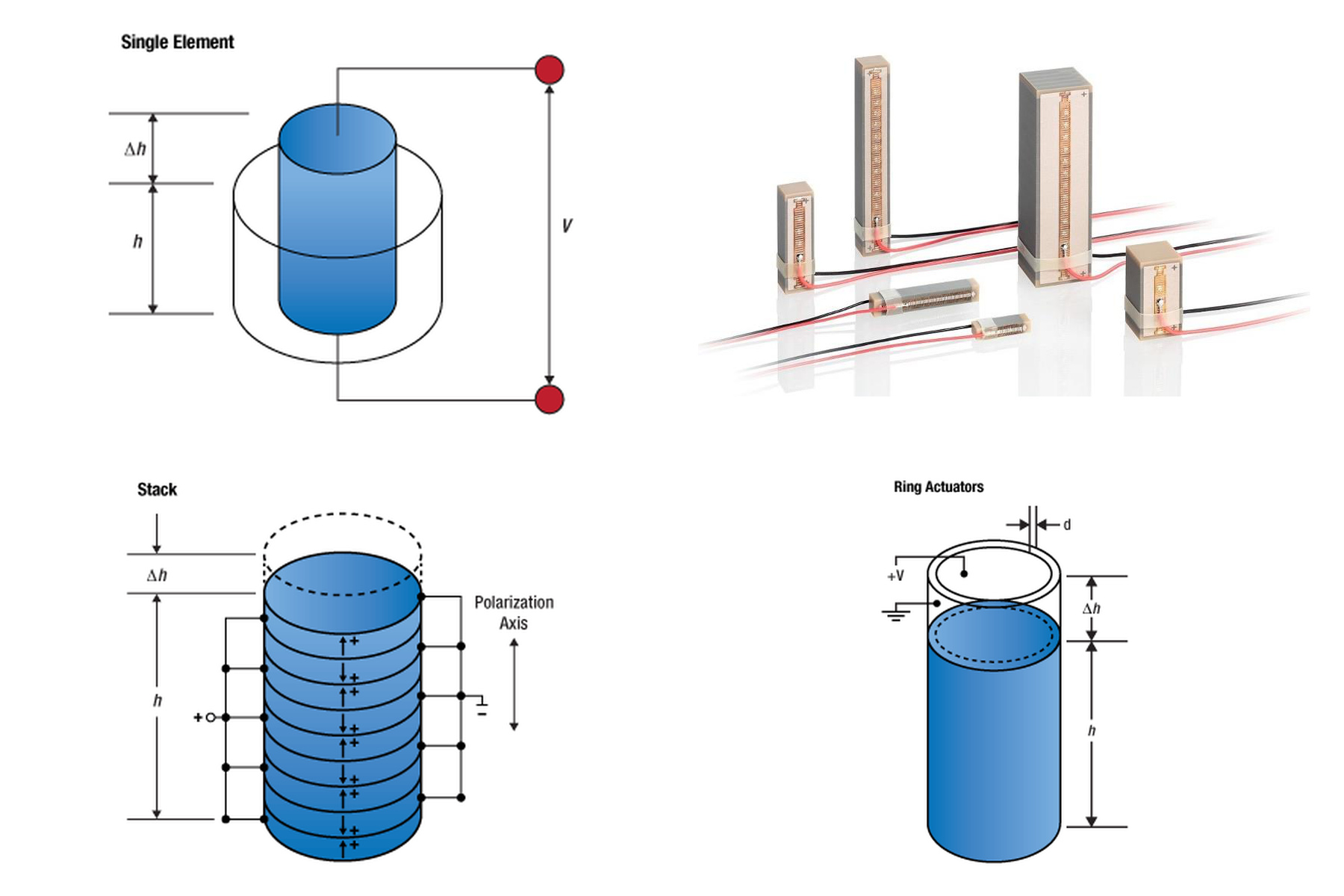
Mechanics and Design
Design actuators and flexures for
precise motion and manufacturability.

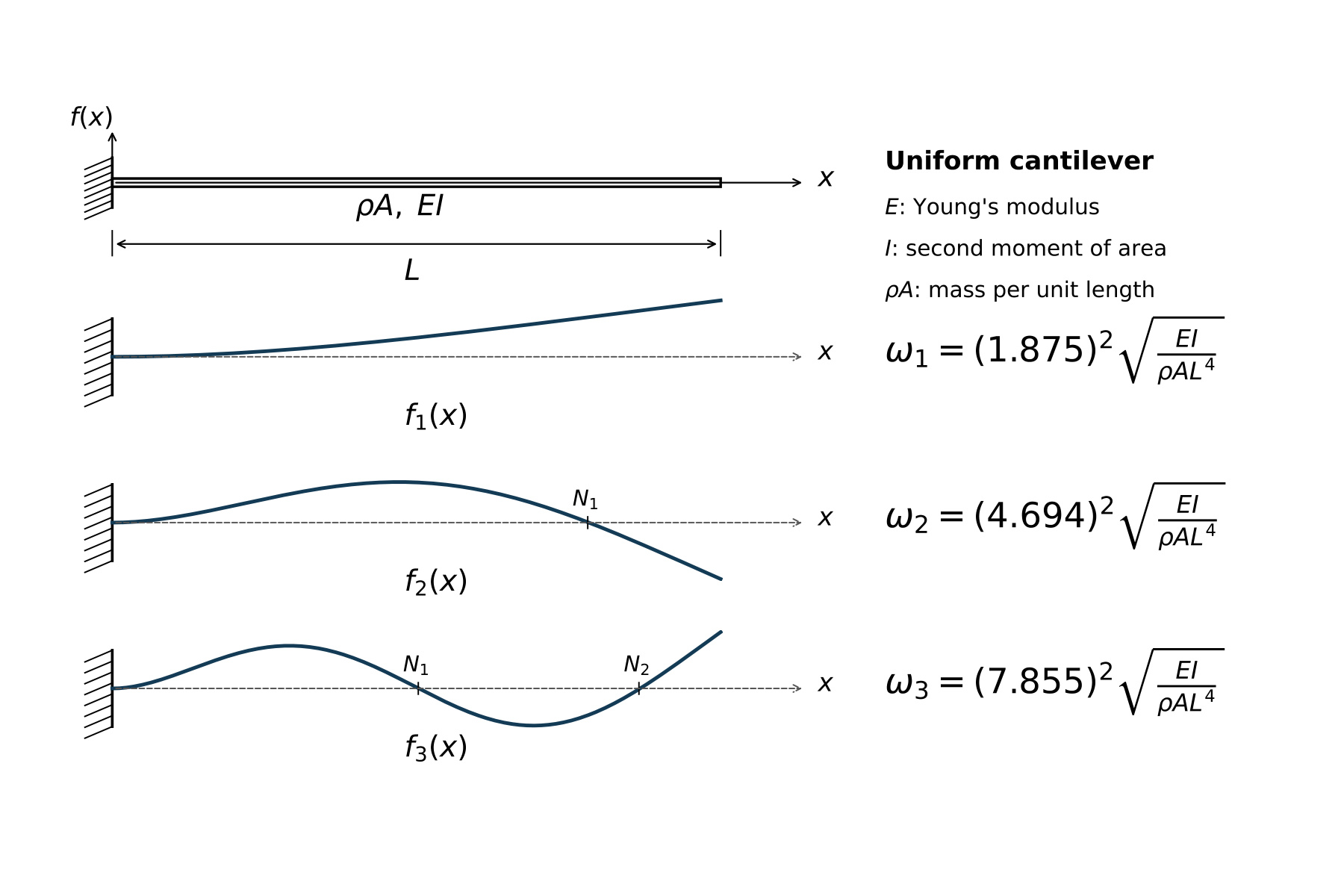
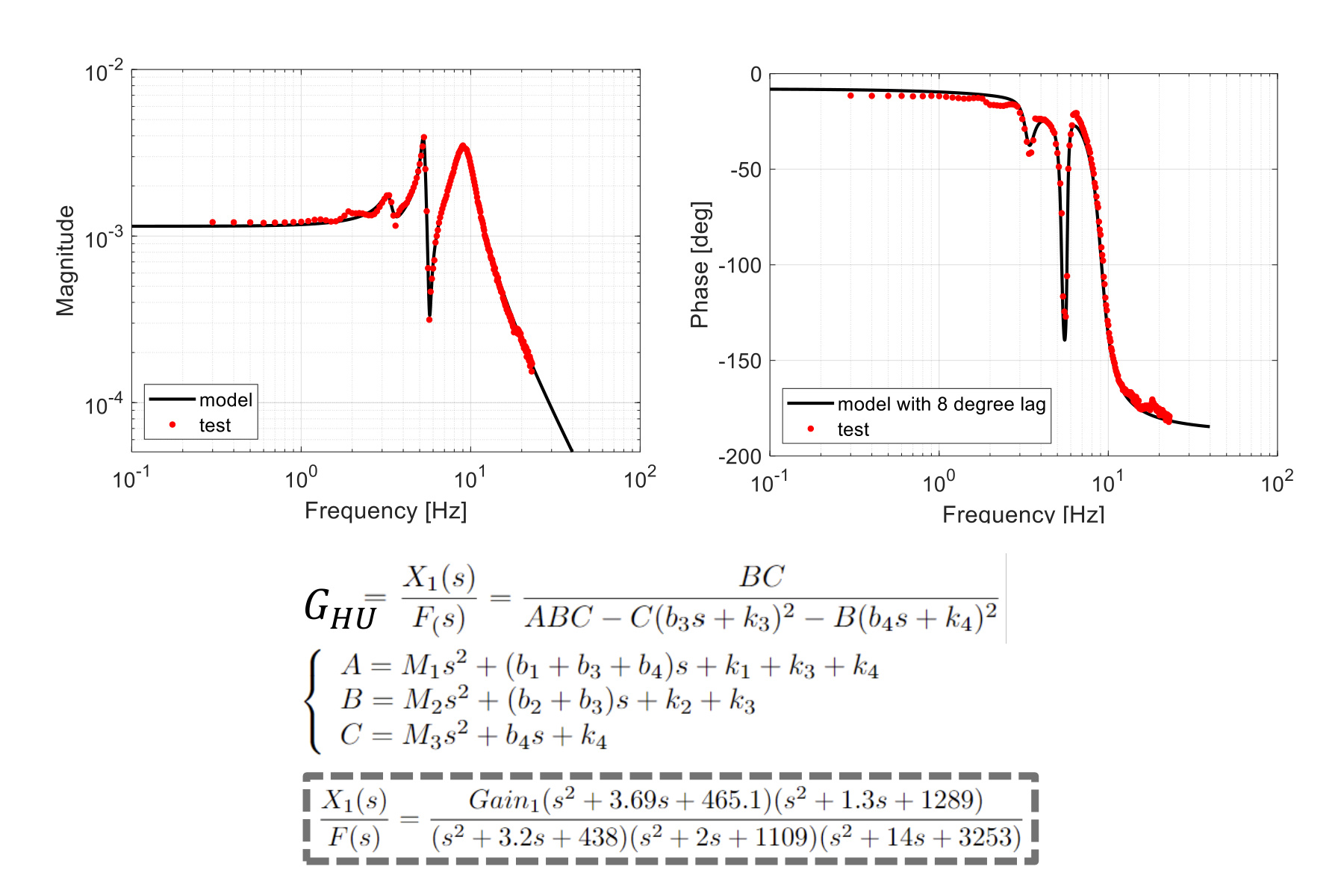
Dynamics and Modeling
Use dynamic models to predict
system motion and transient response.

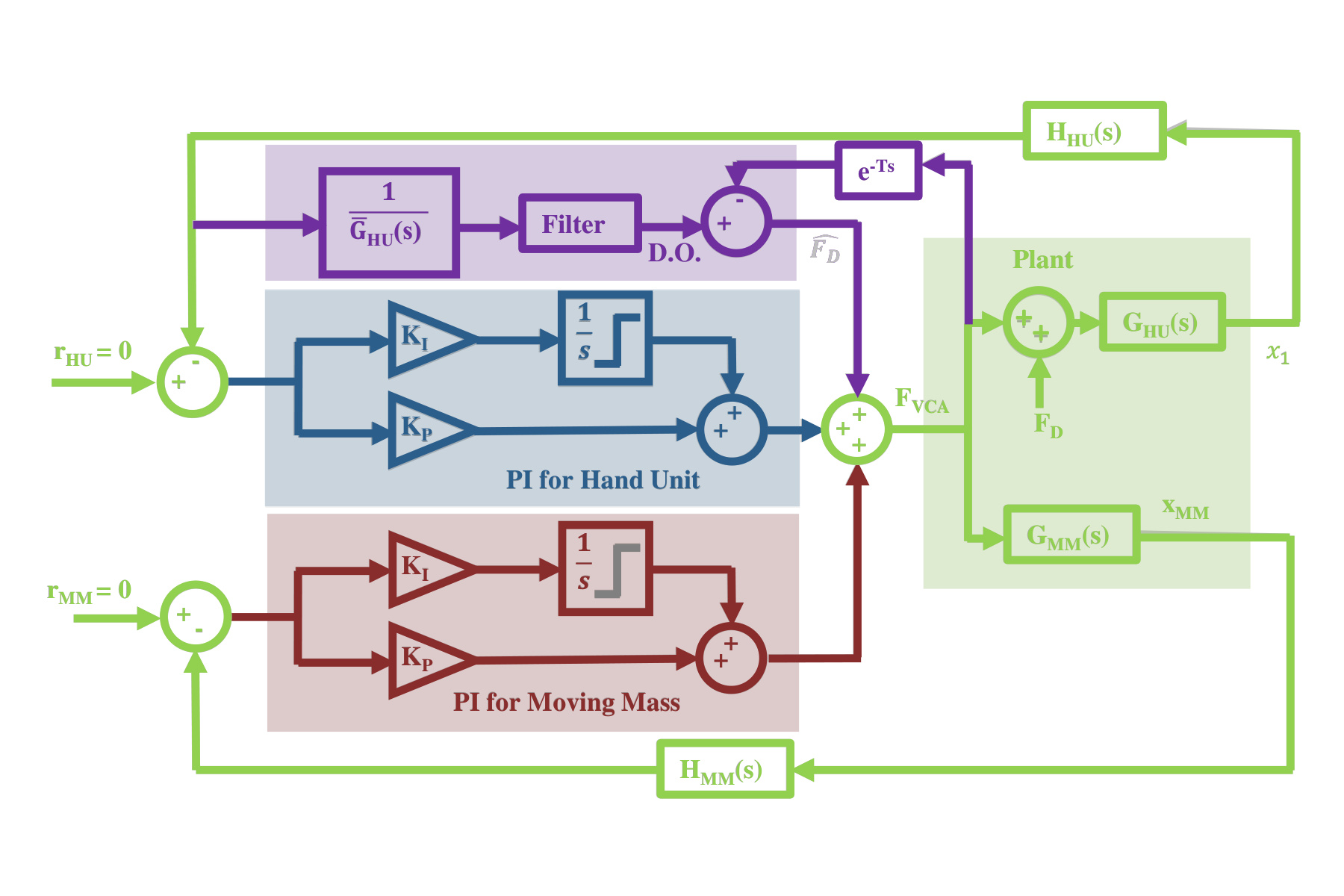
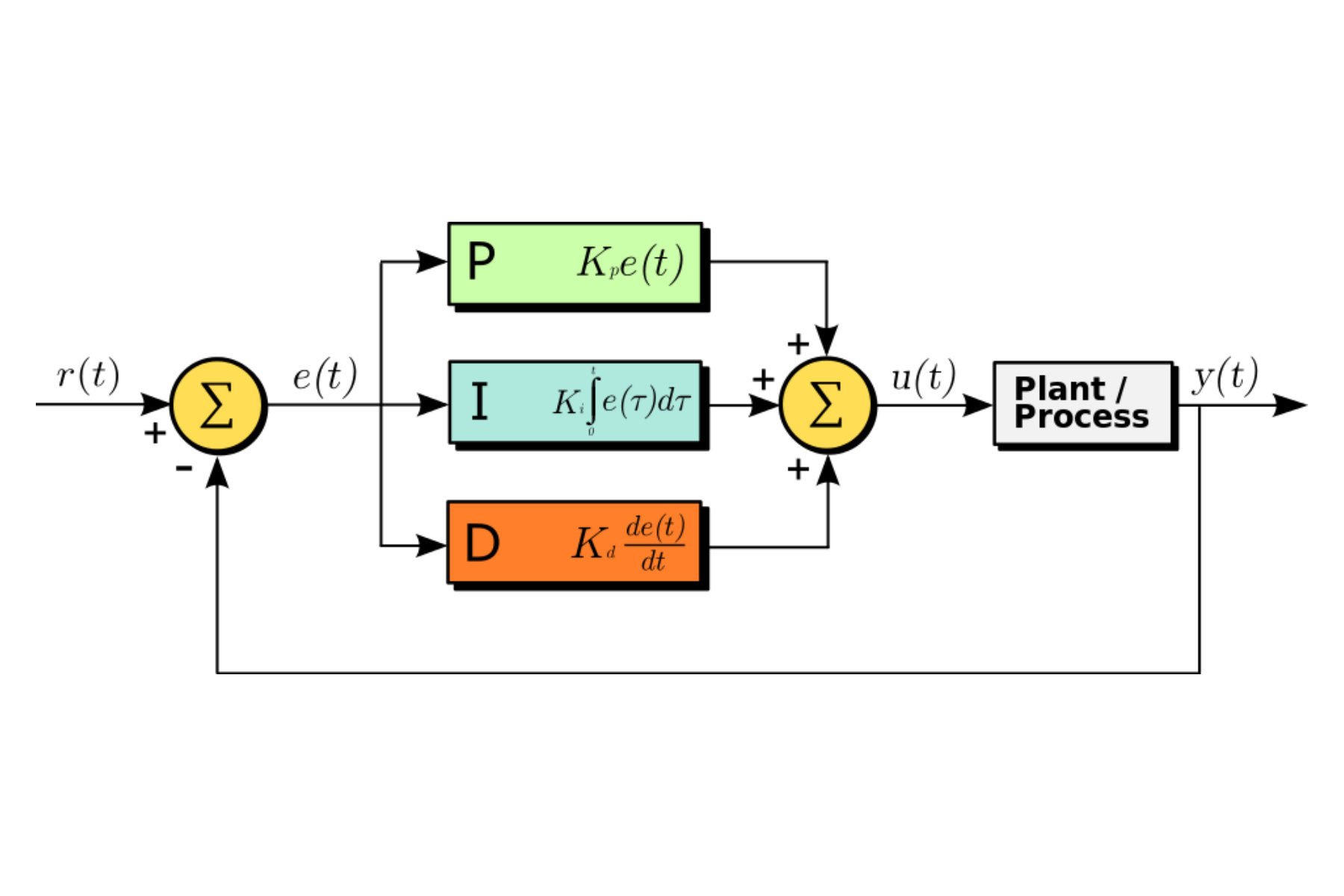
Feedback and System Identification
Identify system dynamics and tune
feedback for stable, precise motion.

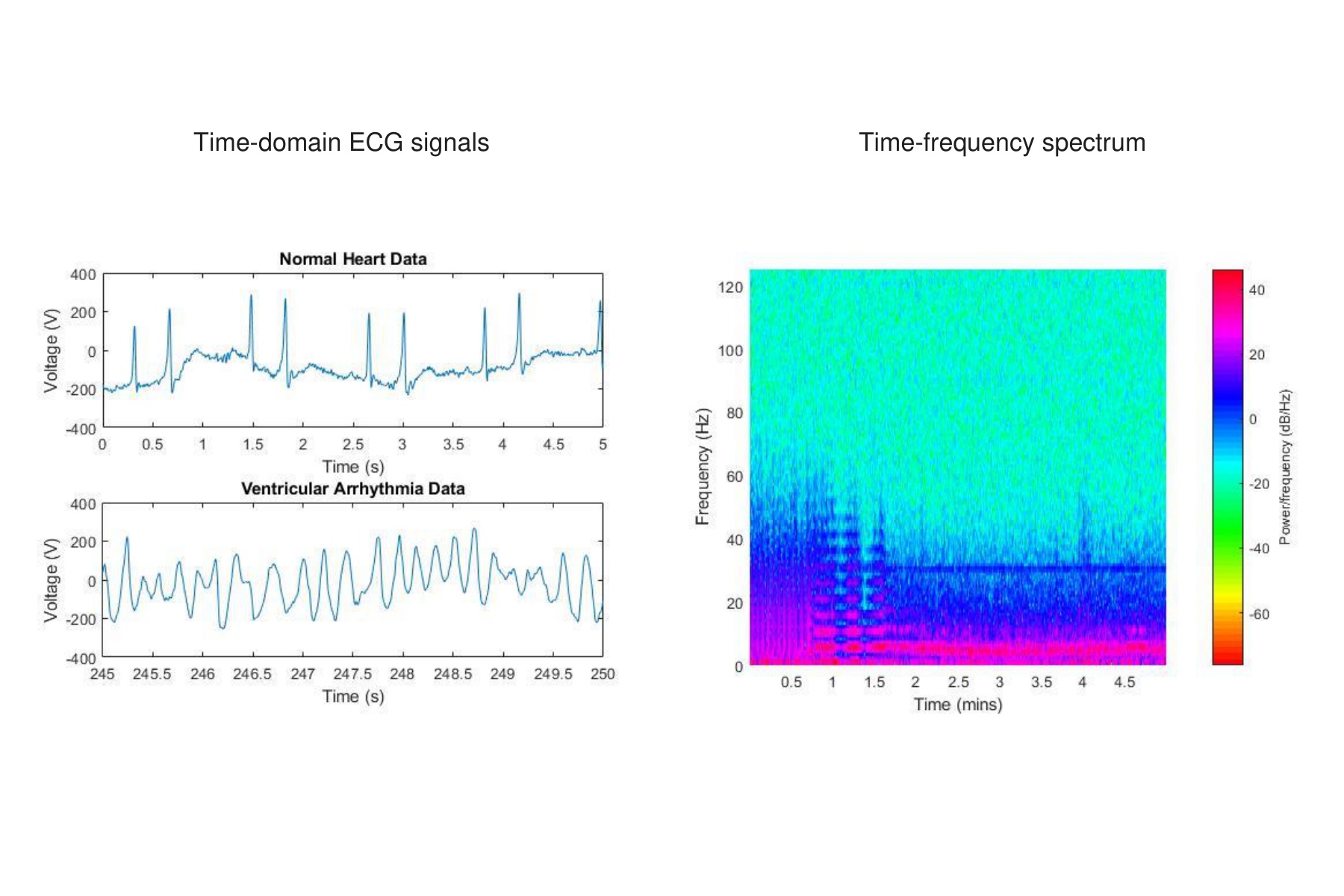
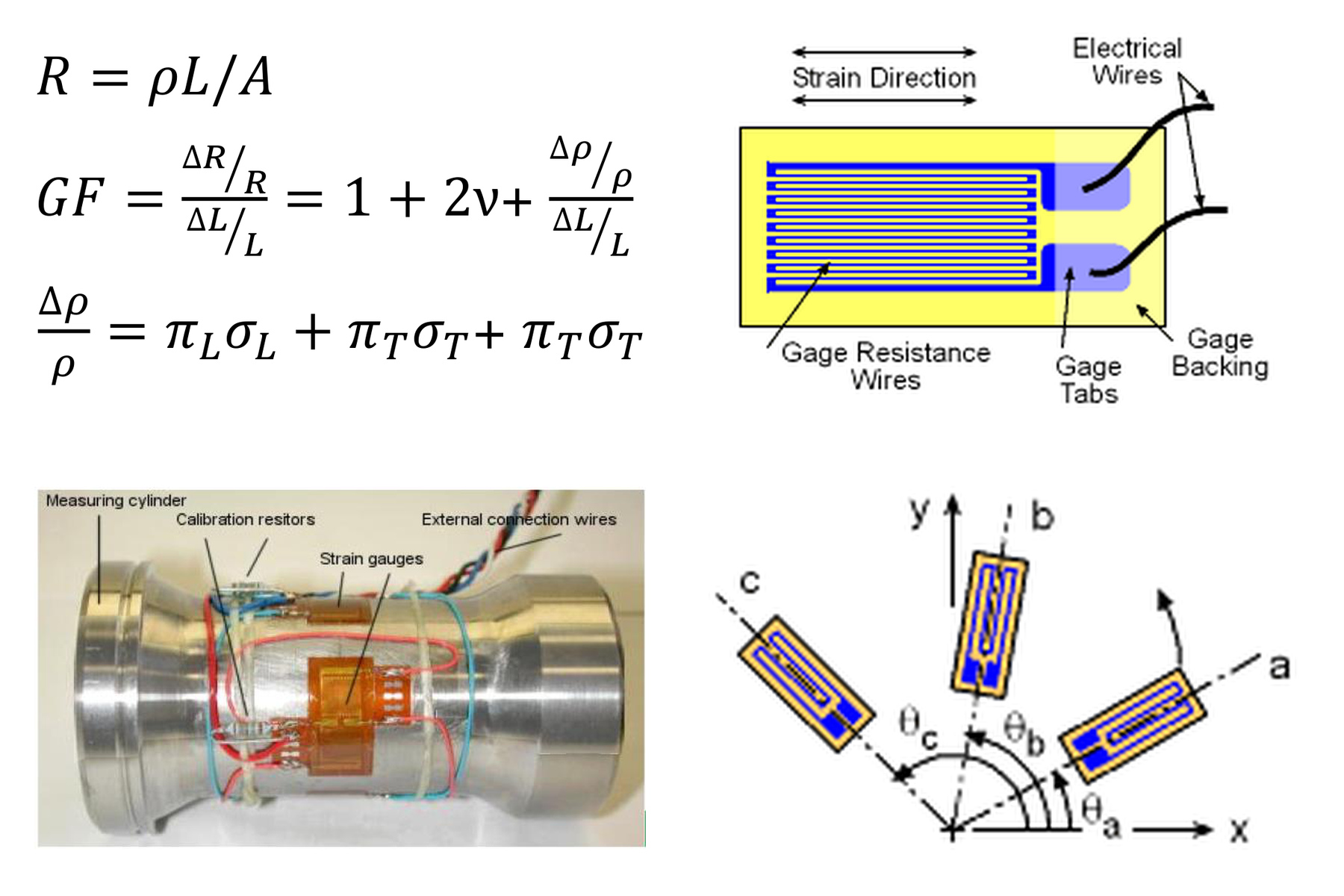
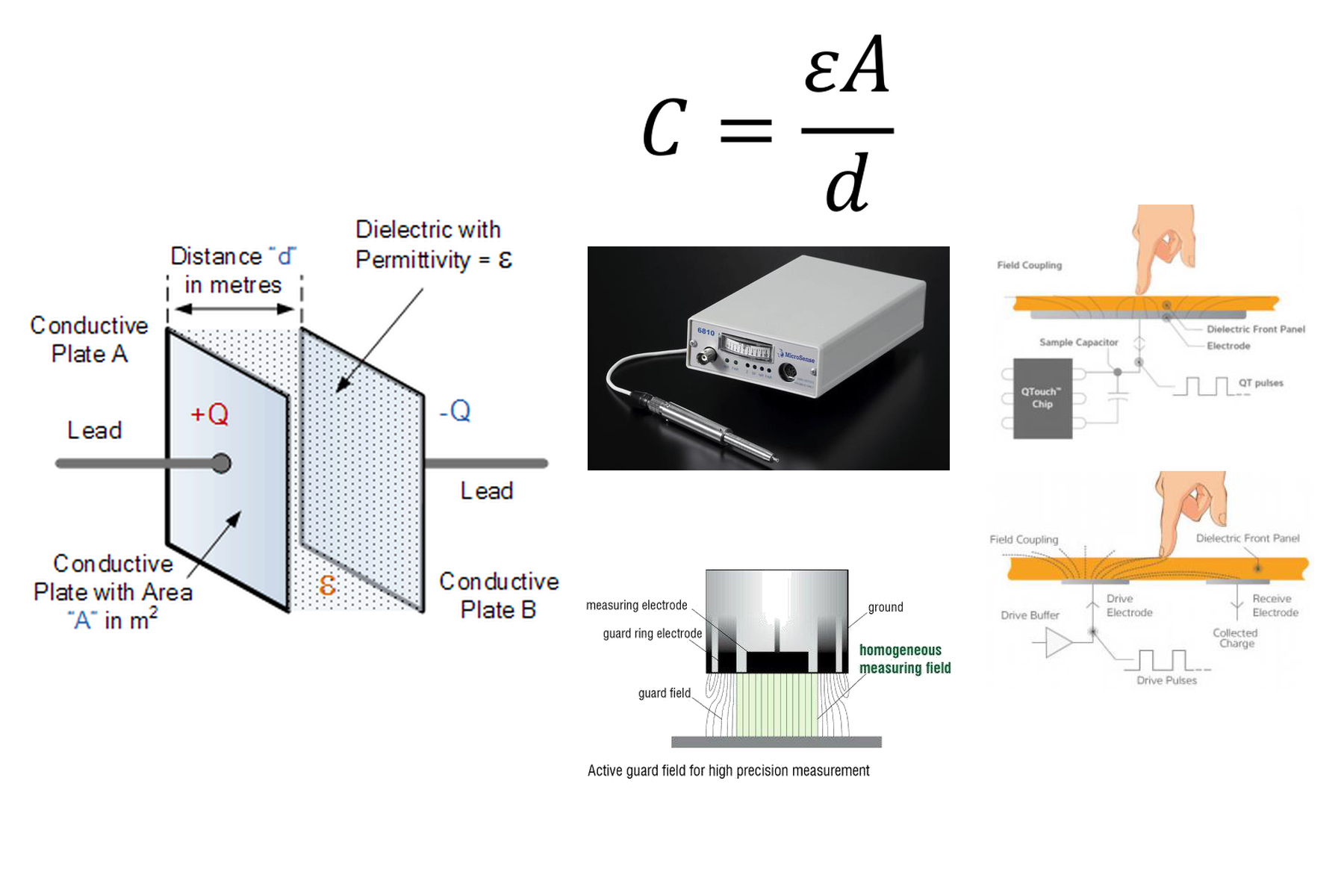
Sensors and Imaging
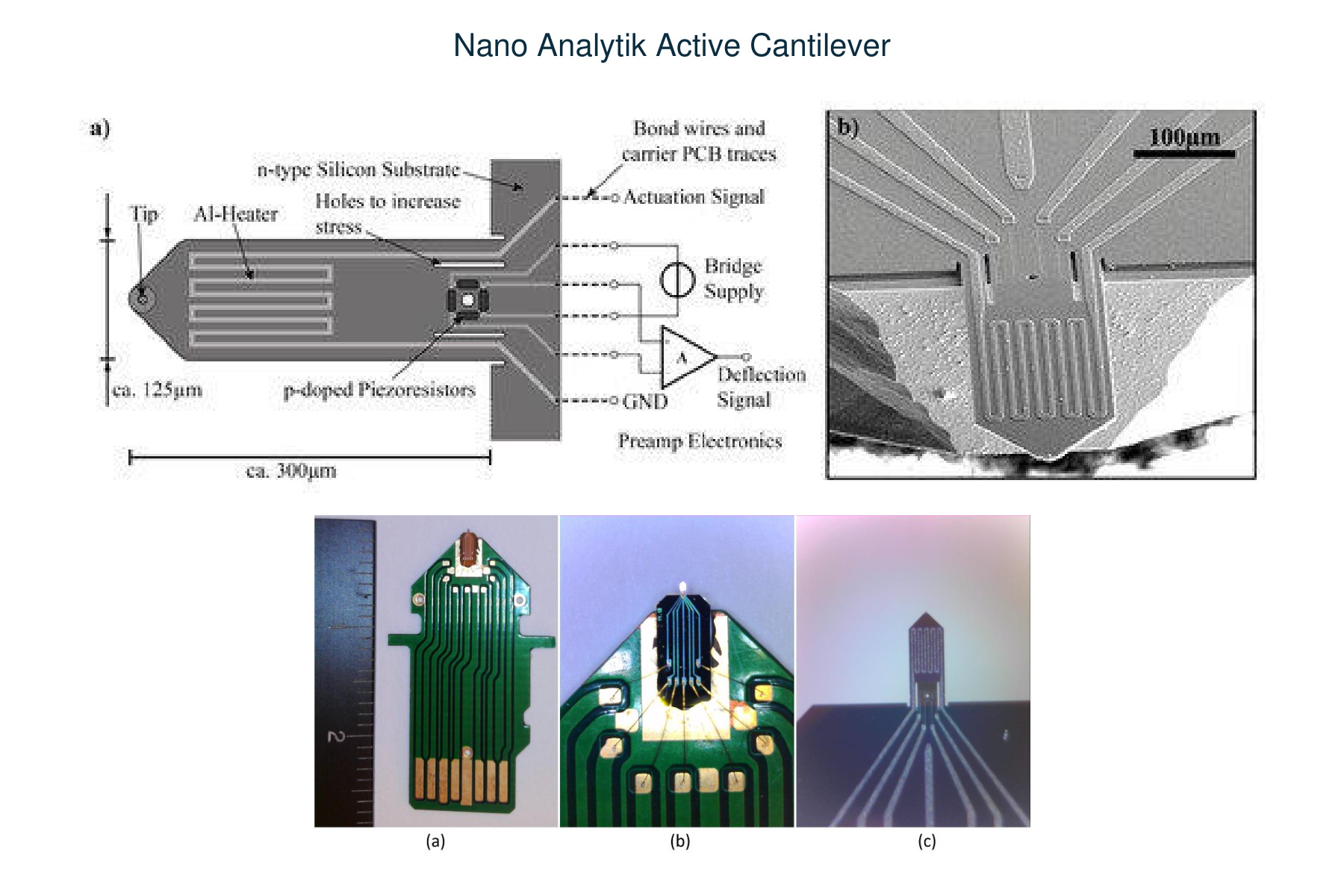
Measure forces with active probes
and convert signals into images.

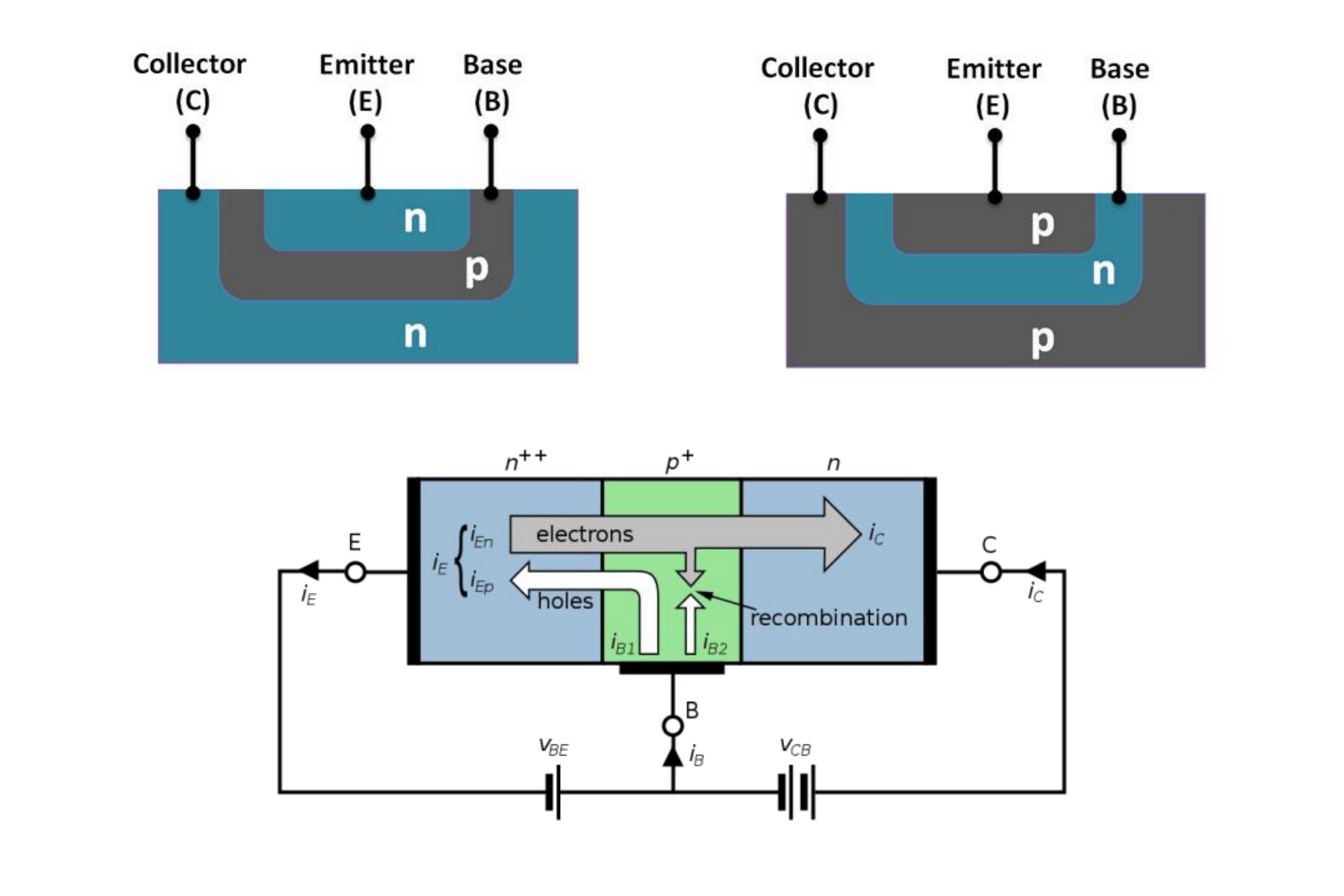
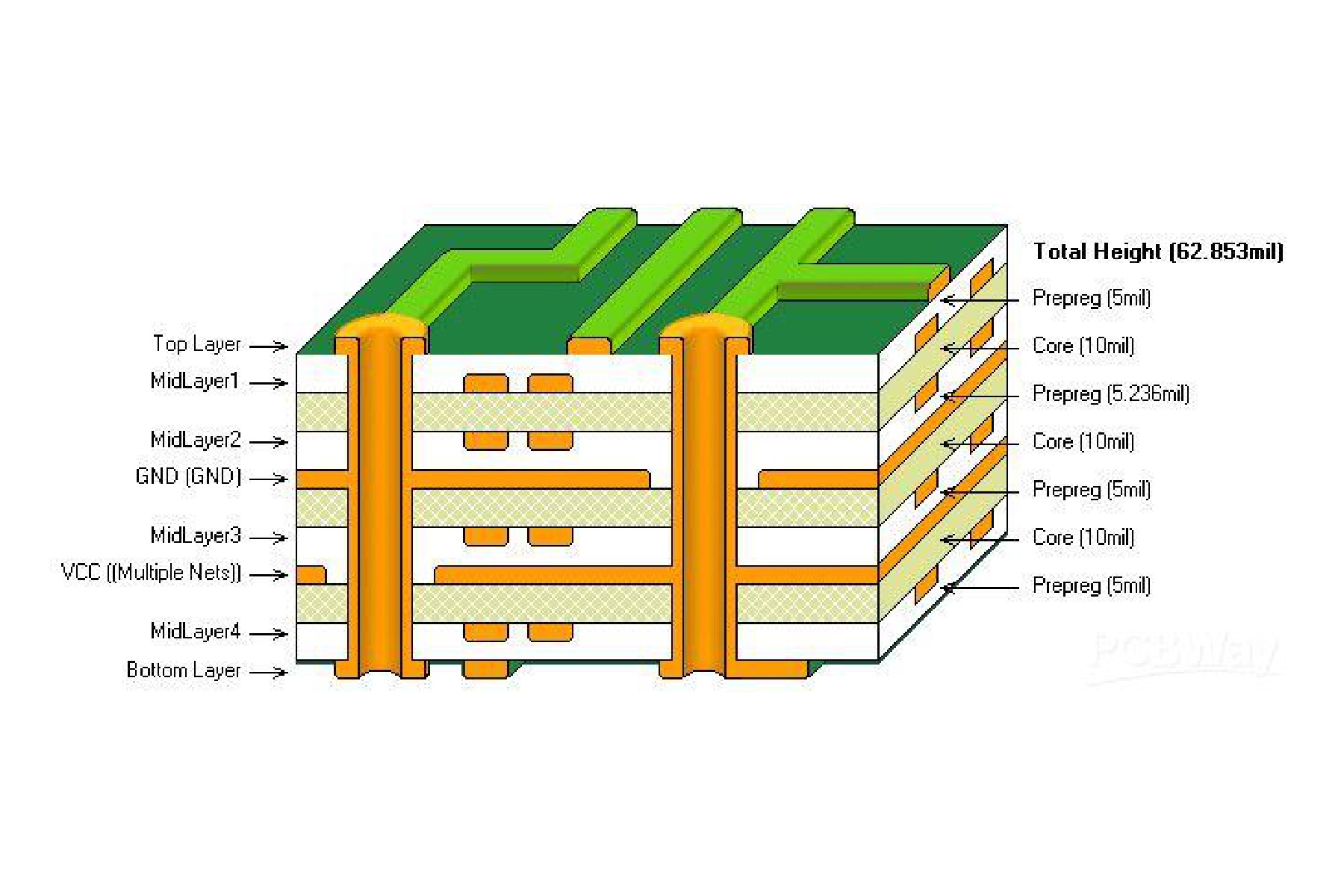
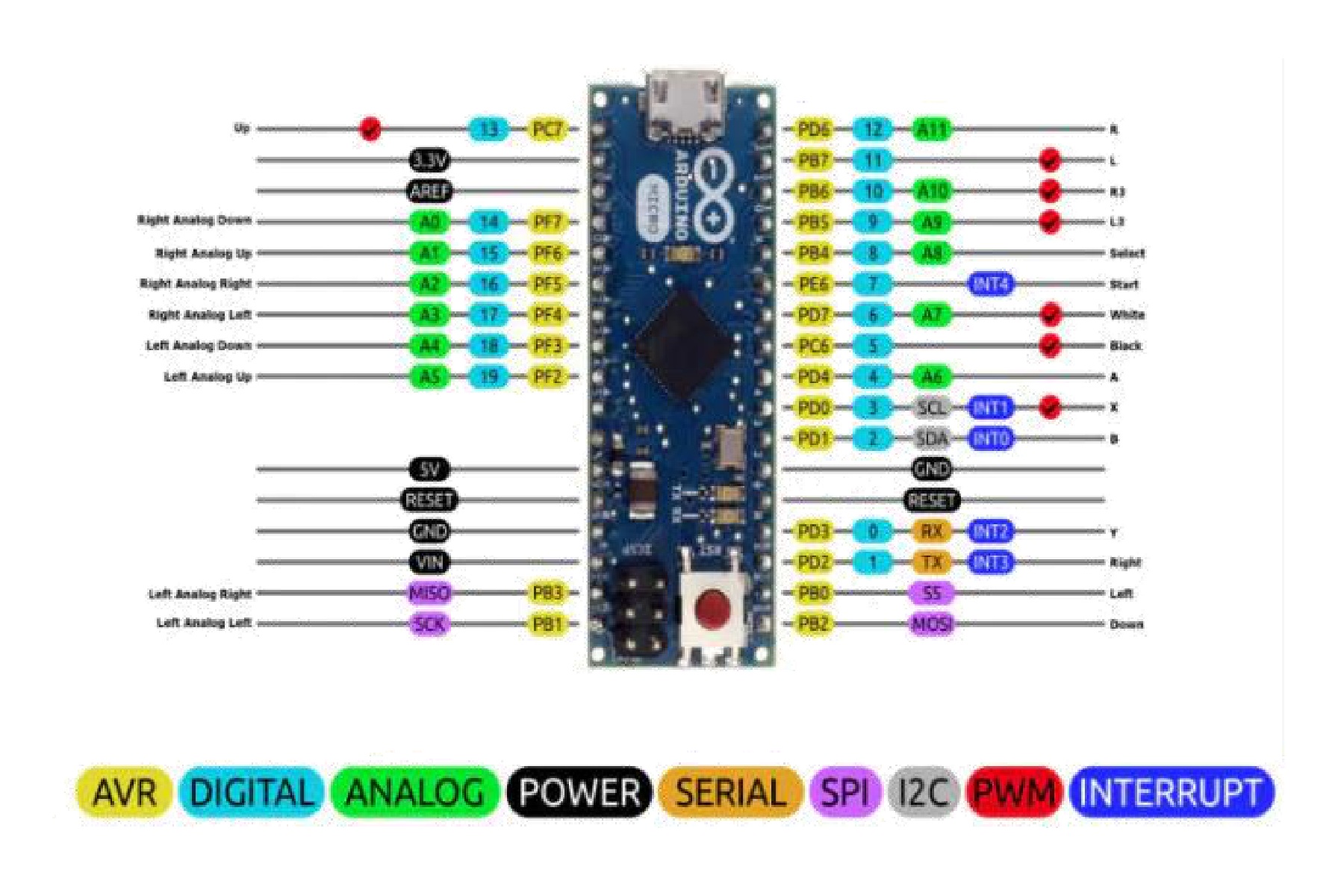
Electronics and PCB
Build circuits and PCB drivers for
signal conditioning and detection.

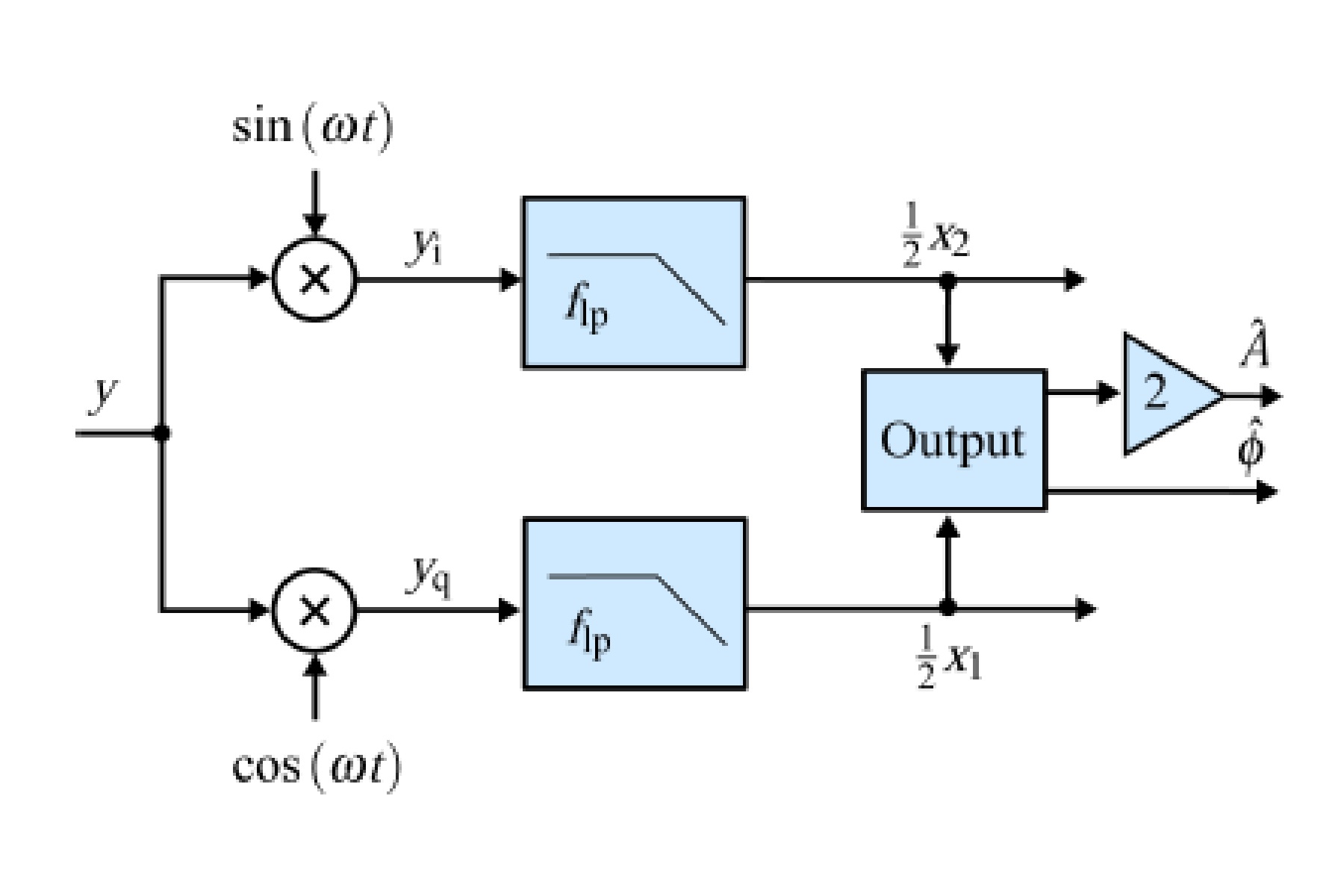
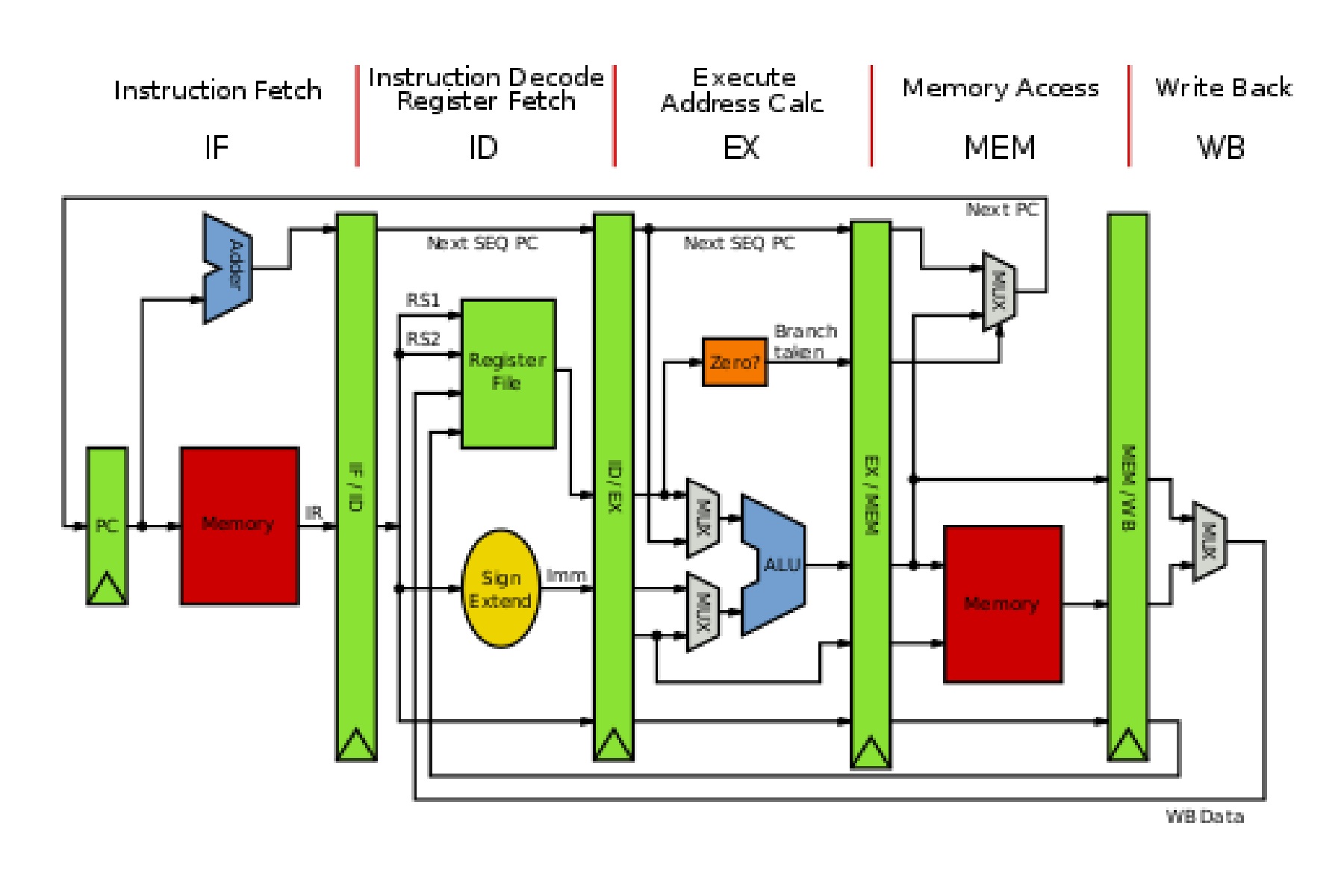
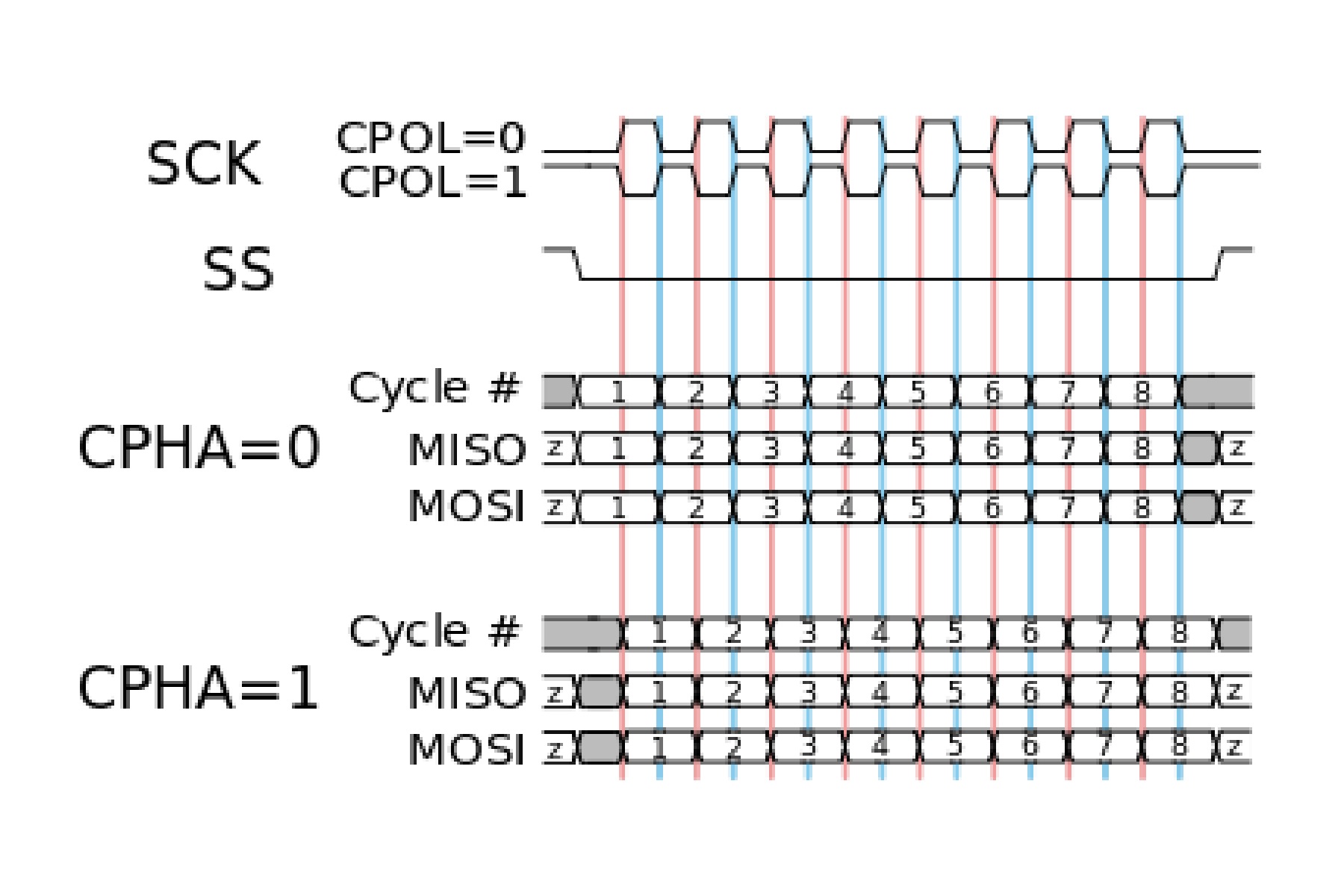
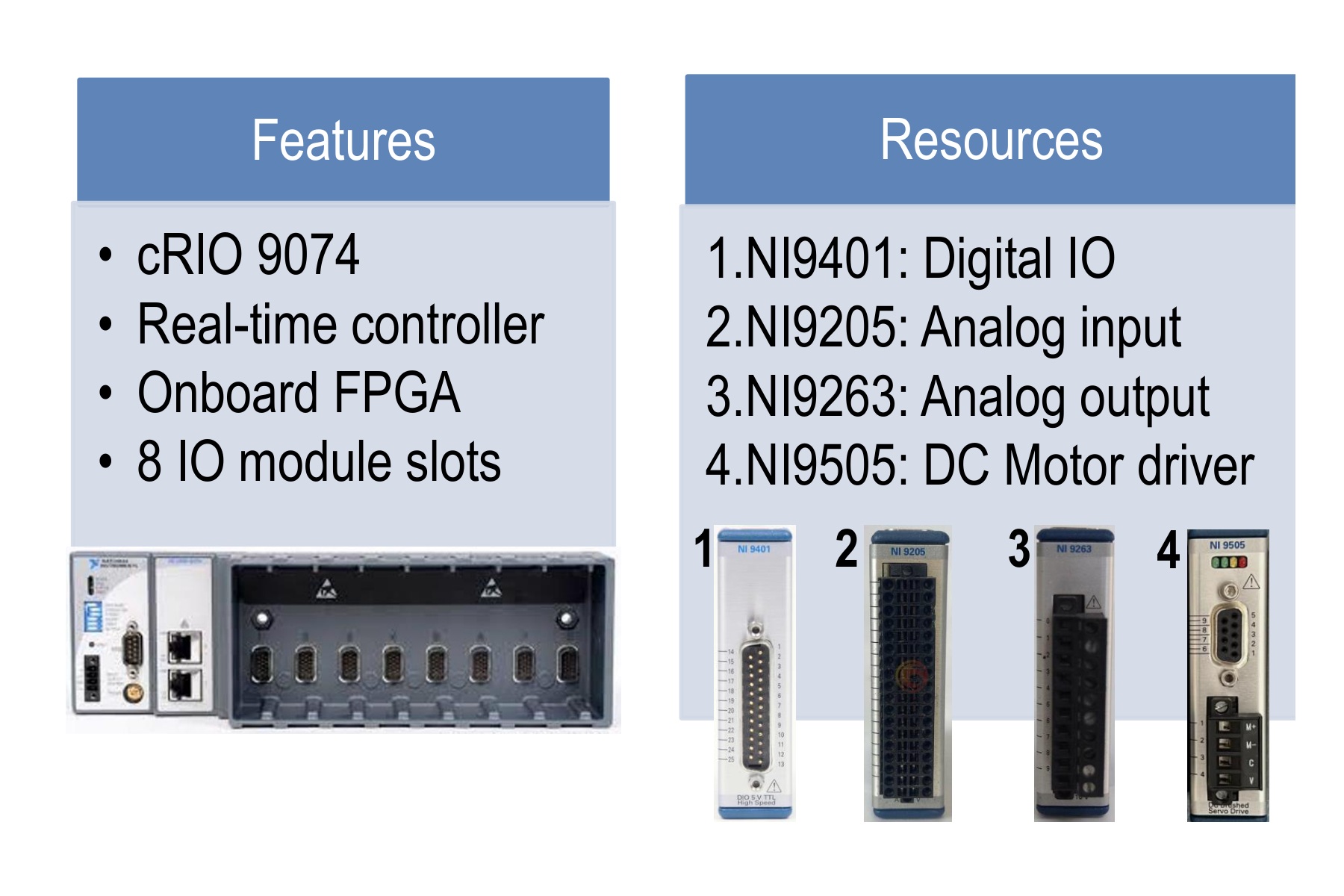
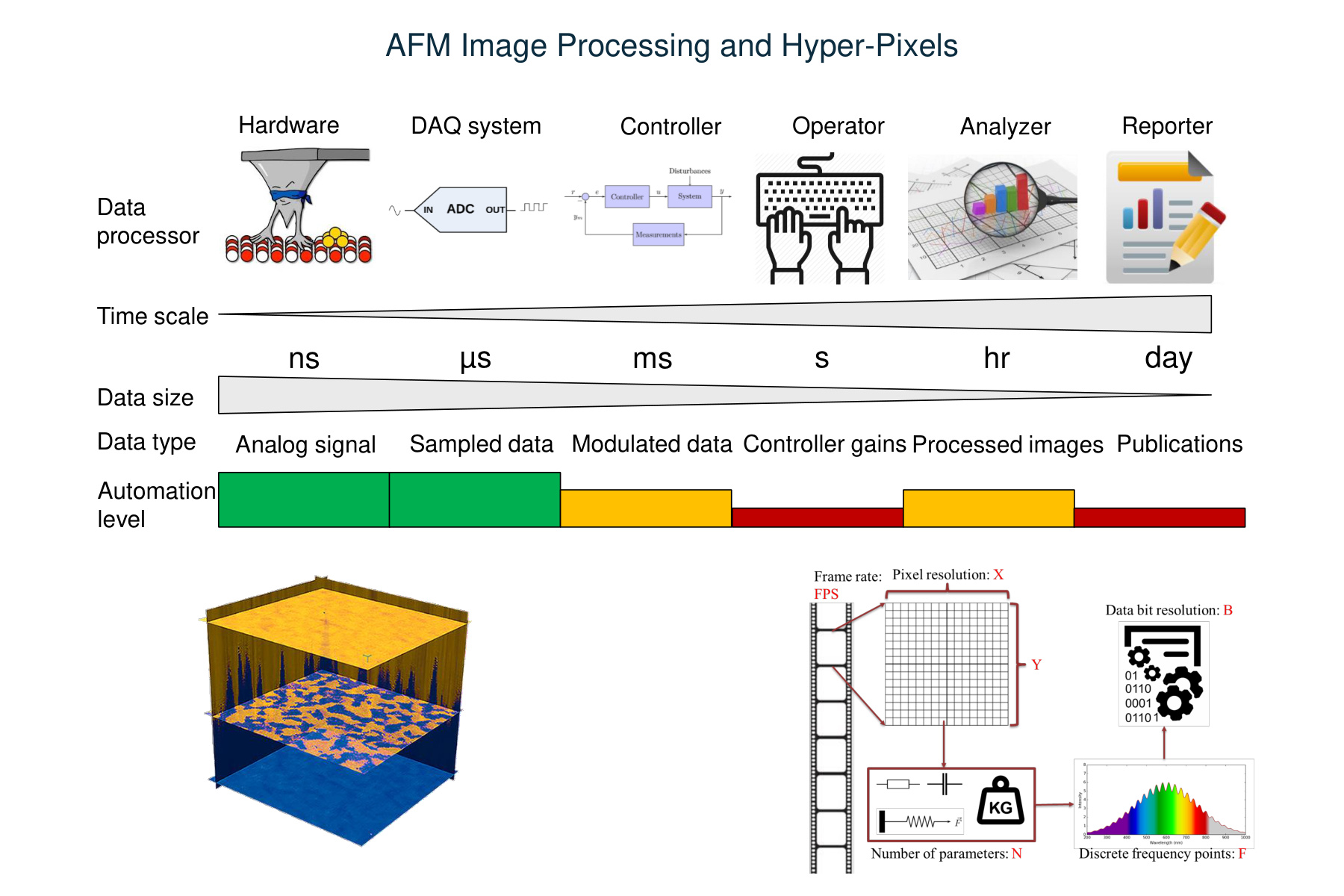
Real-Time Software and DSP
Use LabVIEW, cRIO and FPGA logic
for acquisition and real-time control.

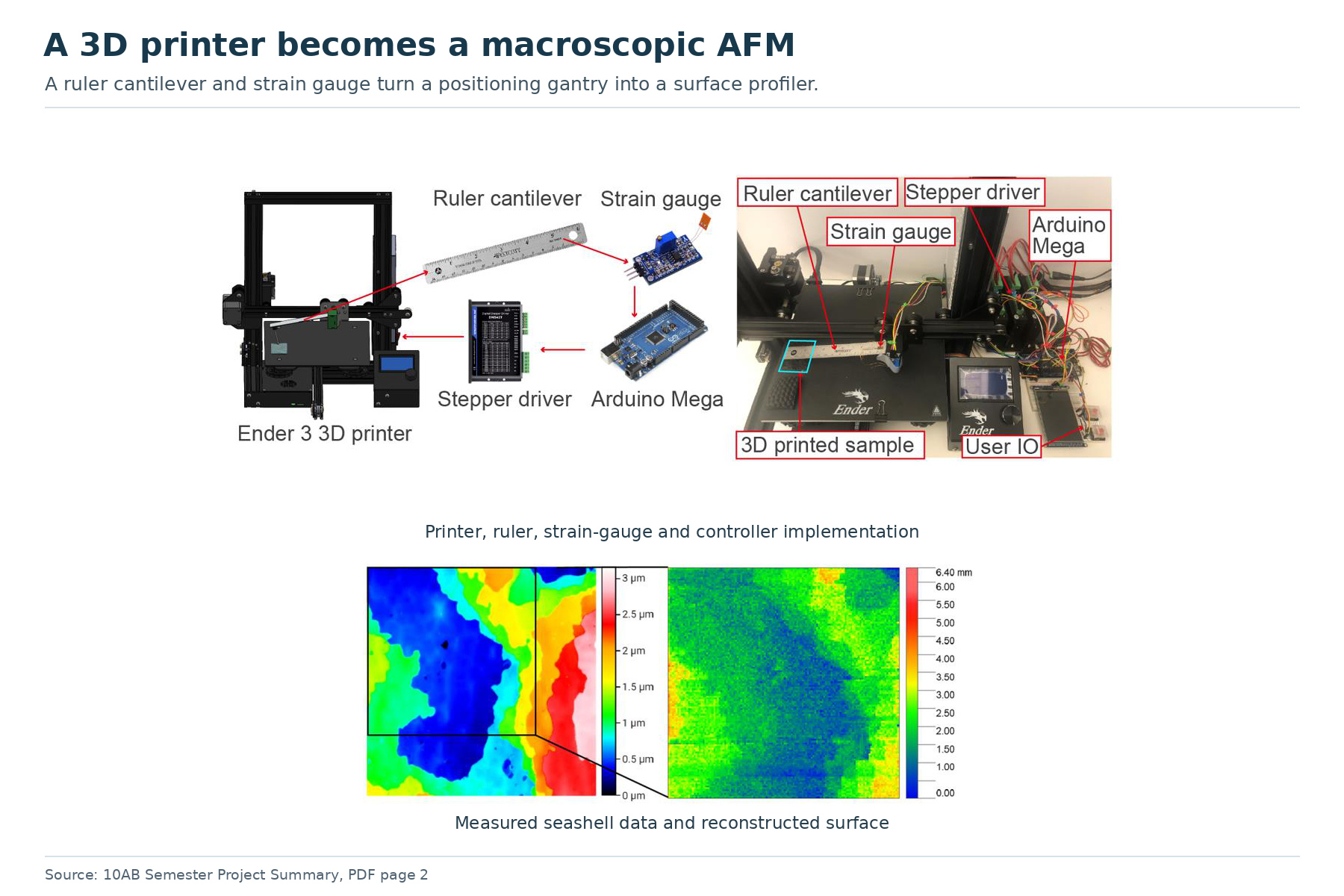
Macroscopic AFM
Build a macroscopic AFM to connect
mechanics, sensing and feedback.

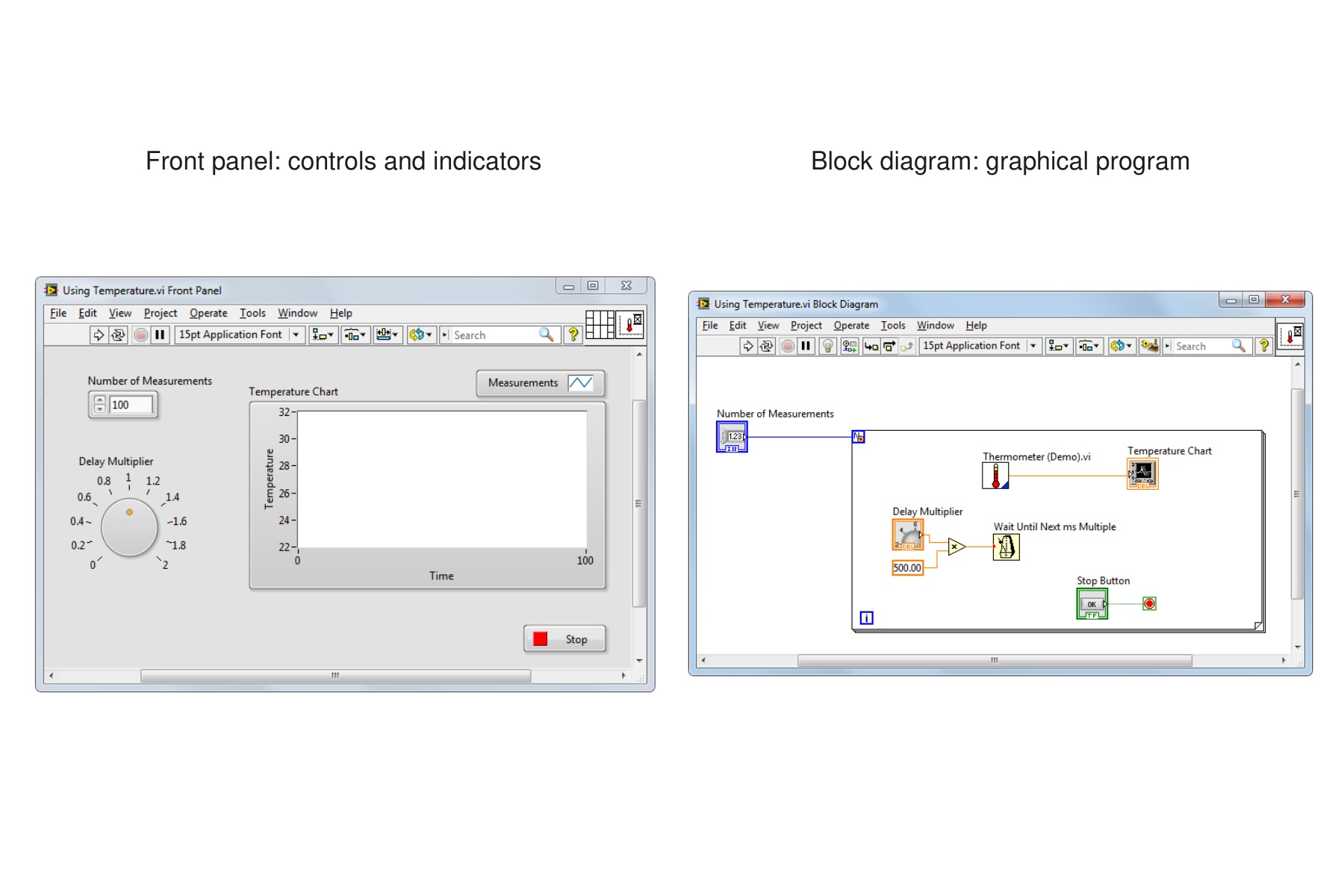
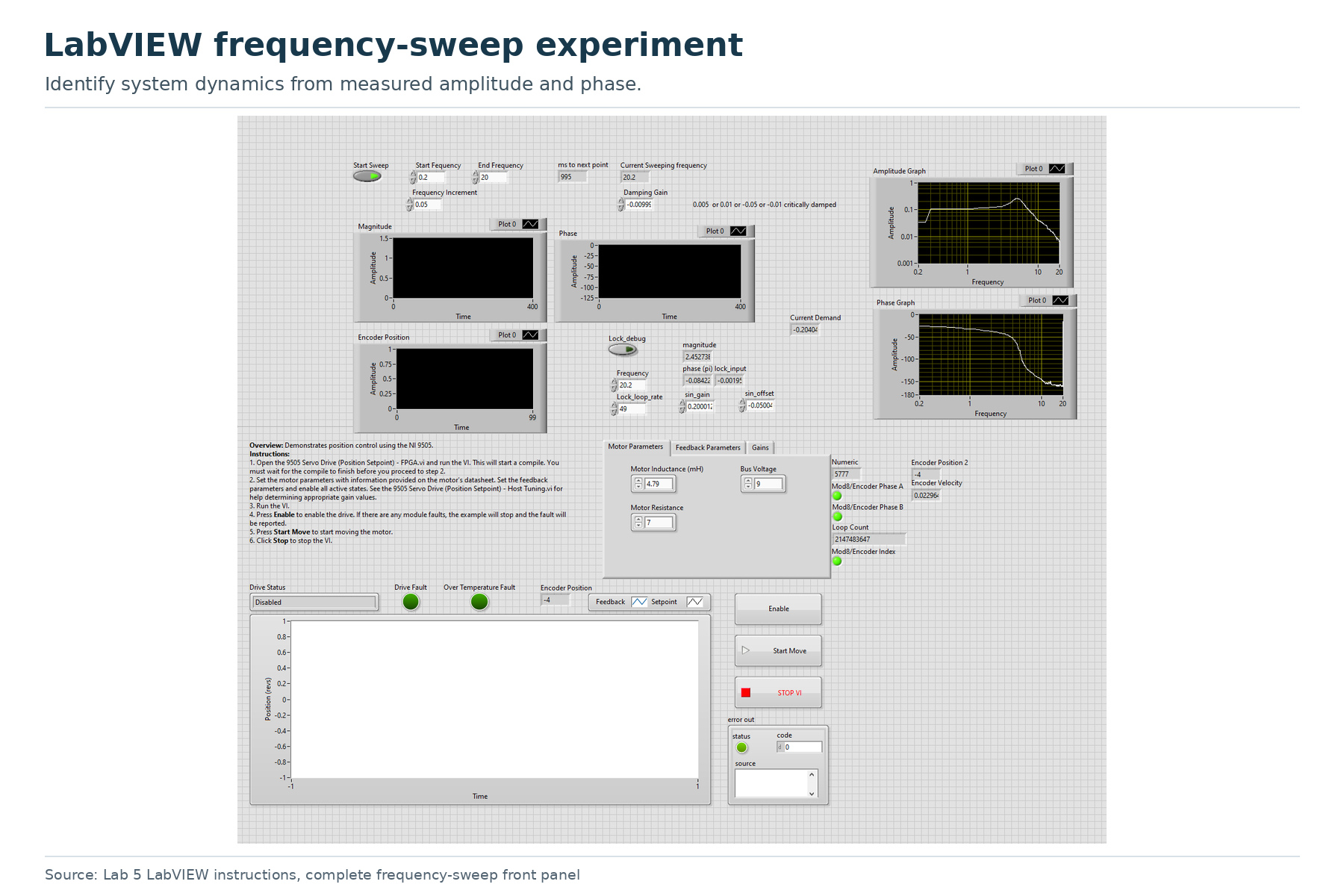
LabVIEW code & front panel
Develop LabVIEW code that acquires
data and displays the system response.

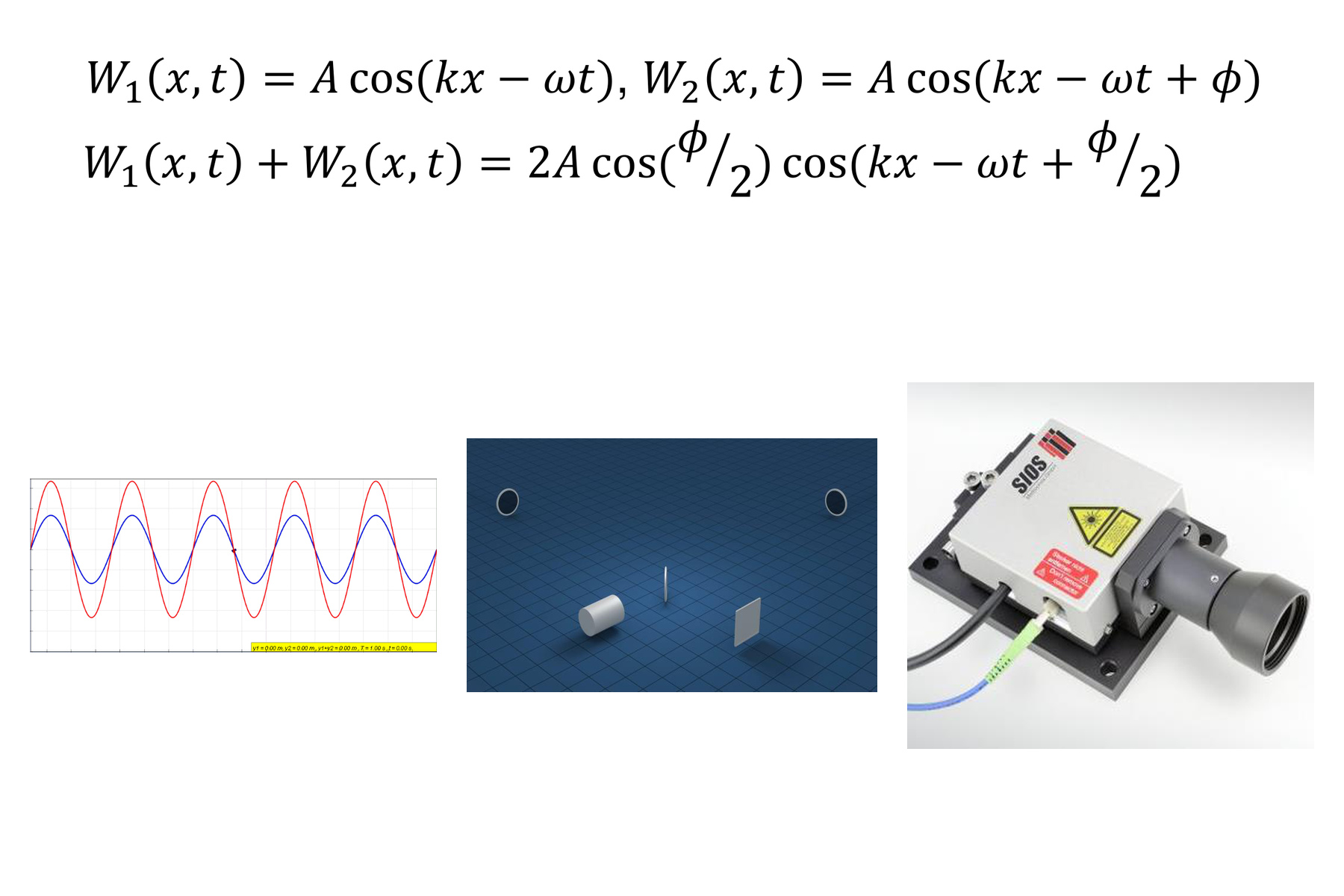
Optical beam deflection
Align a laser and photodetector
to measure cantilever deflection.

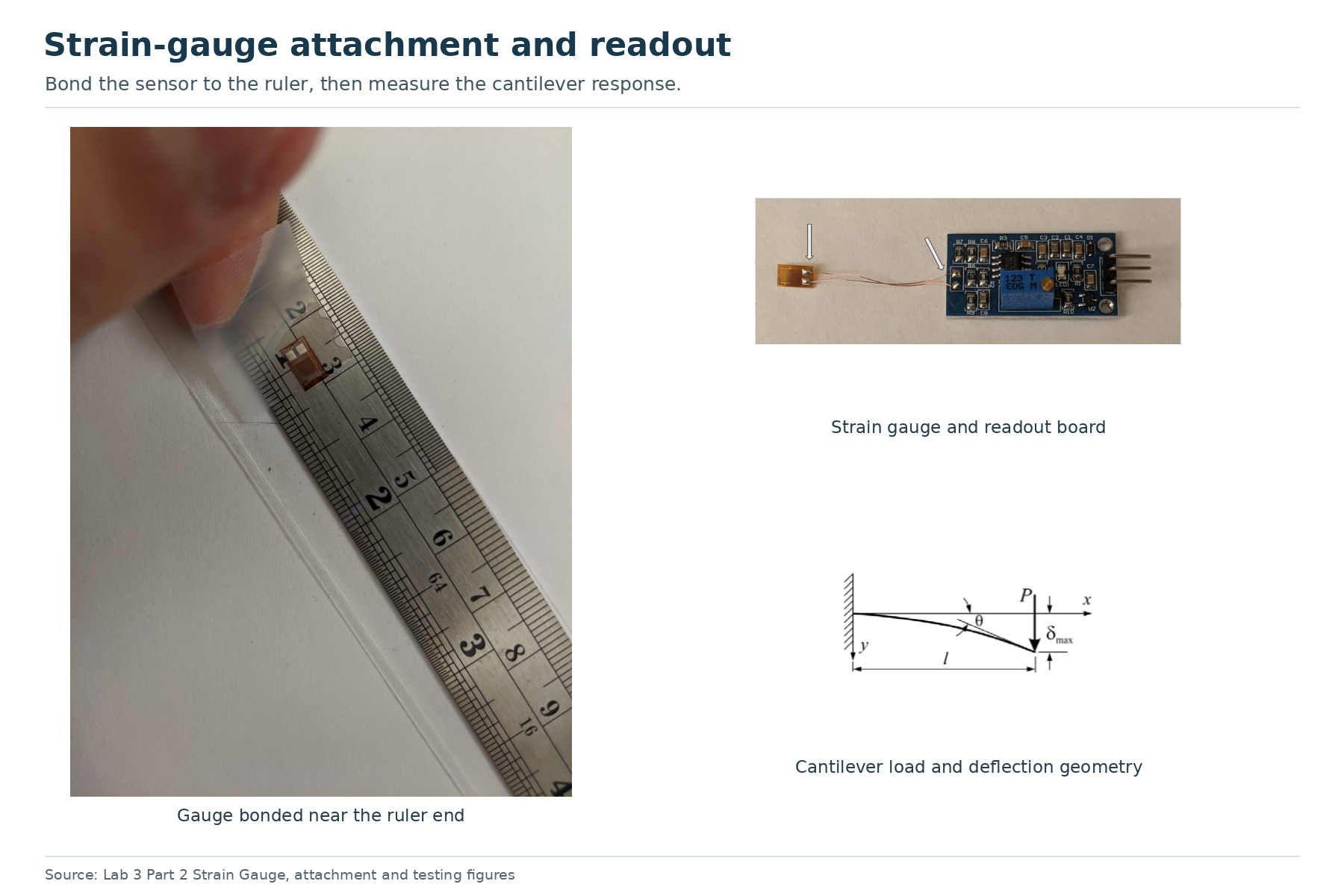
Active probe setup
Connect an active cantilever probe
to the AFM hardware and electronics.

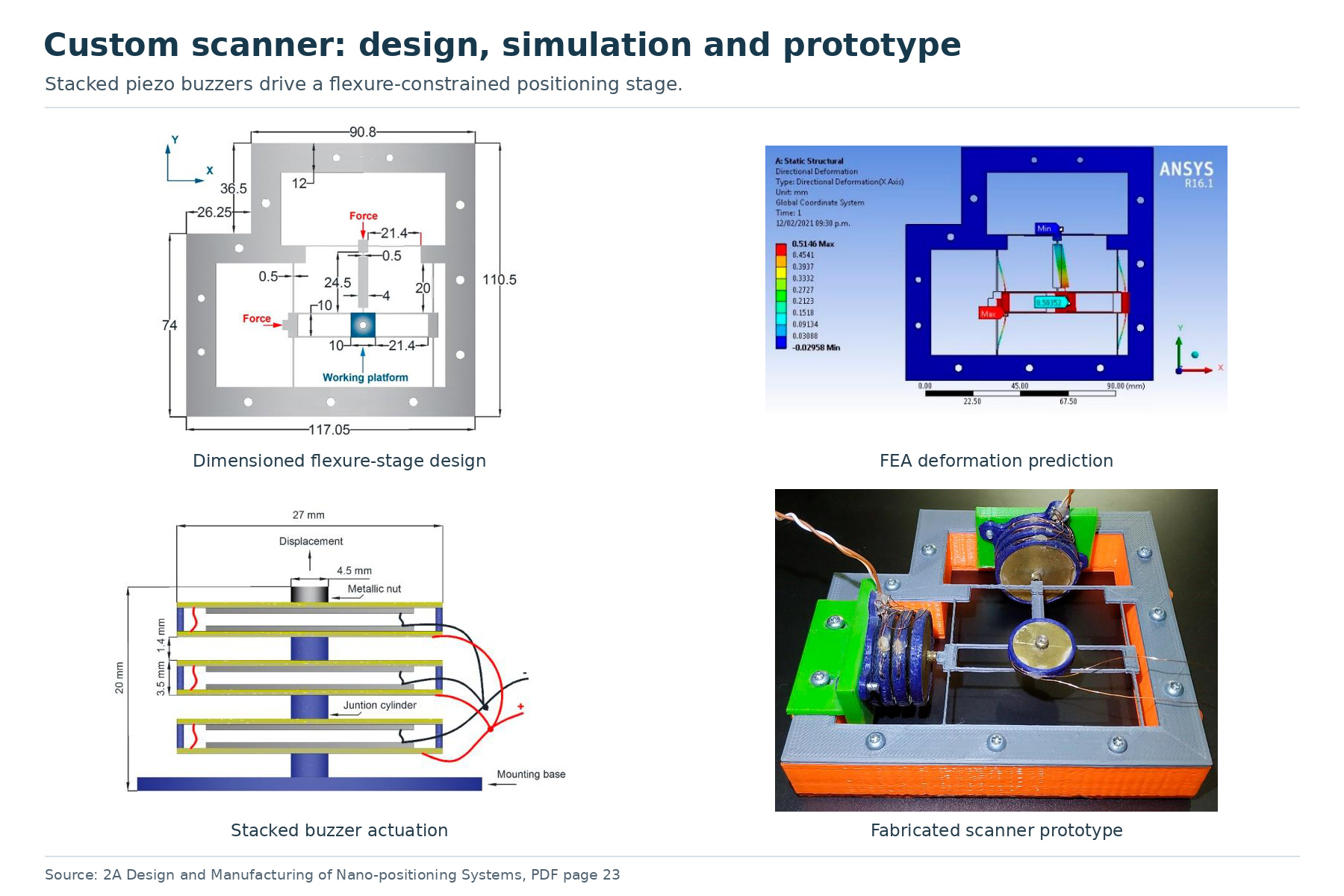
Student scanner design
Design a scanner that balances
travel, stiffness and dynamic response.

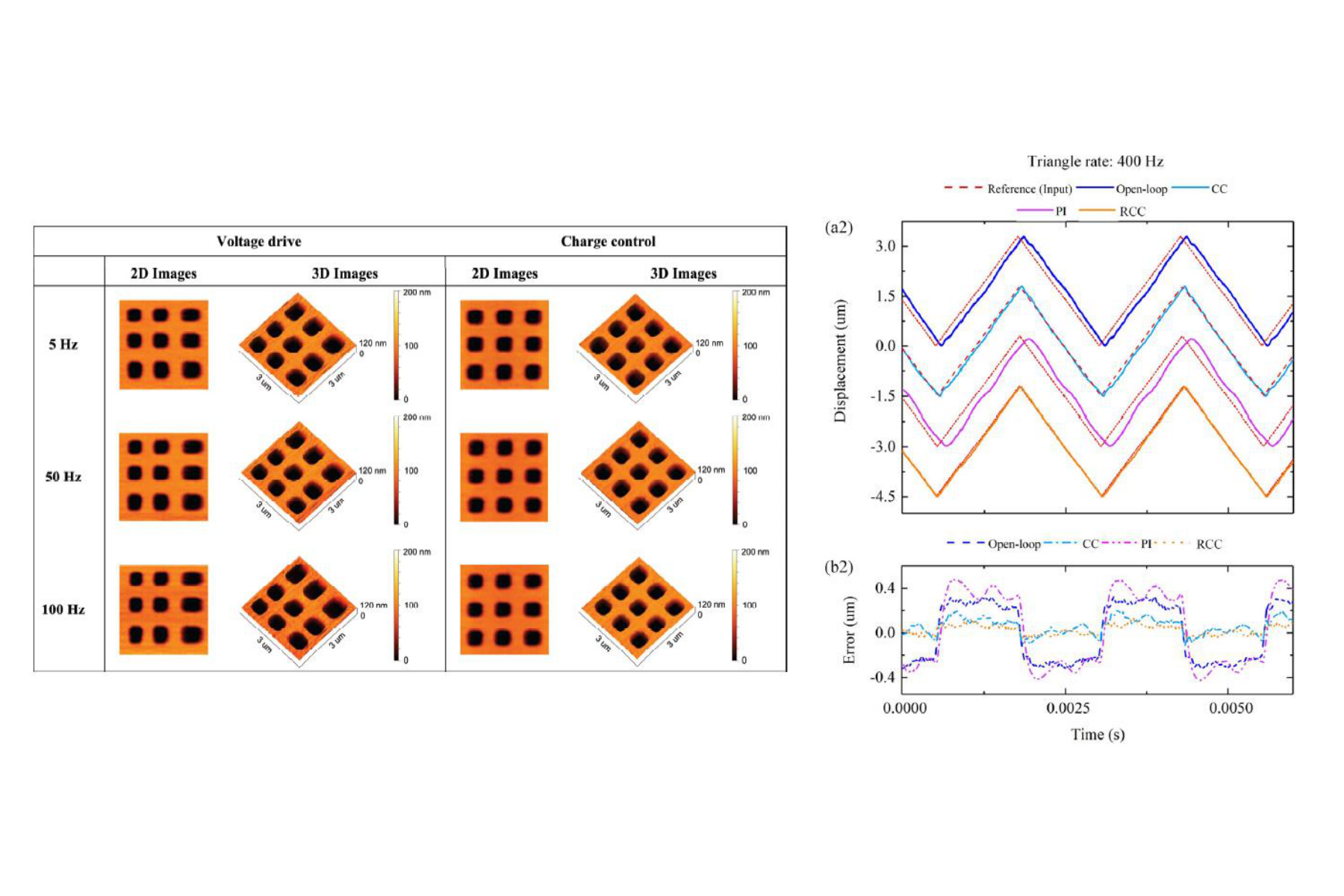
Student AFM topography
Measure surface topography and
assess the reconstructed AFM image.

Physics: 2D moiré patterns
Resolve nanoscale moiré patterns
in twisted bilayer graphene on hBN.

Biomedical: DNA on mica
Map DNA molecules on mica with
height-sensitive nanoscale imaging.

Chemical: dissolution dynamics
Track evolving surface structures
as a material dissolves over time.

Materials: modulus mapping
Map local stiffness variations
with quantitative AFM modulus data.

Semiconductor: metrology
Measure patterned surface features
with AFM images and line profiles.

Multi-modal spectroscopy
Combine AFM images and IR spectra
to map polymer chemical composition.

Active Probe Atomic Force Microscopy
A Practical Guide on
Precision Instrumentation

AFM SMILER
A Scale Model Interactive Learning
Extended Reality Toolkit

A Systems Approach to Mechatronics
Principles, Design, Intelligence
and Applications