


We develop computational intelligence to realize advanced human-like capabilities in automation and physical intelligence to enable smart structures for operation in reseource limited space.

We work with various industry partners on automation projects to improve rate, quality, cost, and flexibility in manufacturing.

We design novel precision instruments to enable previously impossible experiments with extensive experience in atomic force microscopy.

Dr. Xia is the director of MINIMAX Lab at UT Austin. He obtained his Ph.D. degree in Mechanical Engineering from MIT.

We investigate techniques to perform nanoscale characterization and robotic manipulation. Using nanotechnology, we developed novel miniaturized robots.

Mechatronics is the primary key area of research in our lab with projects in all four key areas of mechanics, electronics, control system and computer algorithm.

We apply biomechatronics techniques to create novel medical devcies. Selected examples include ingestible electronics, capsule robots, smart needles, etc.

Dr. Fangzhou Xia
Assistant Professor
Director: MINIMAX Lab


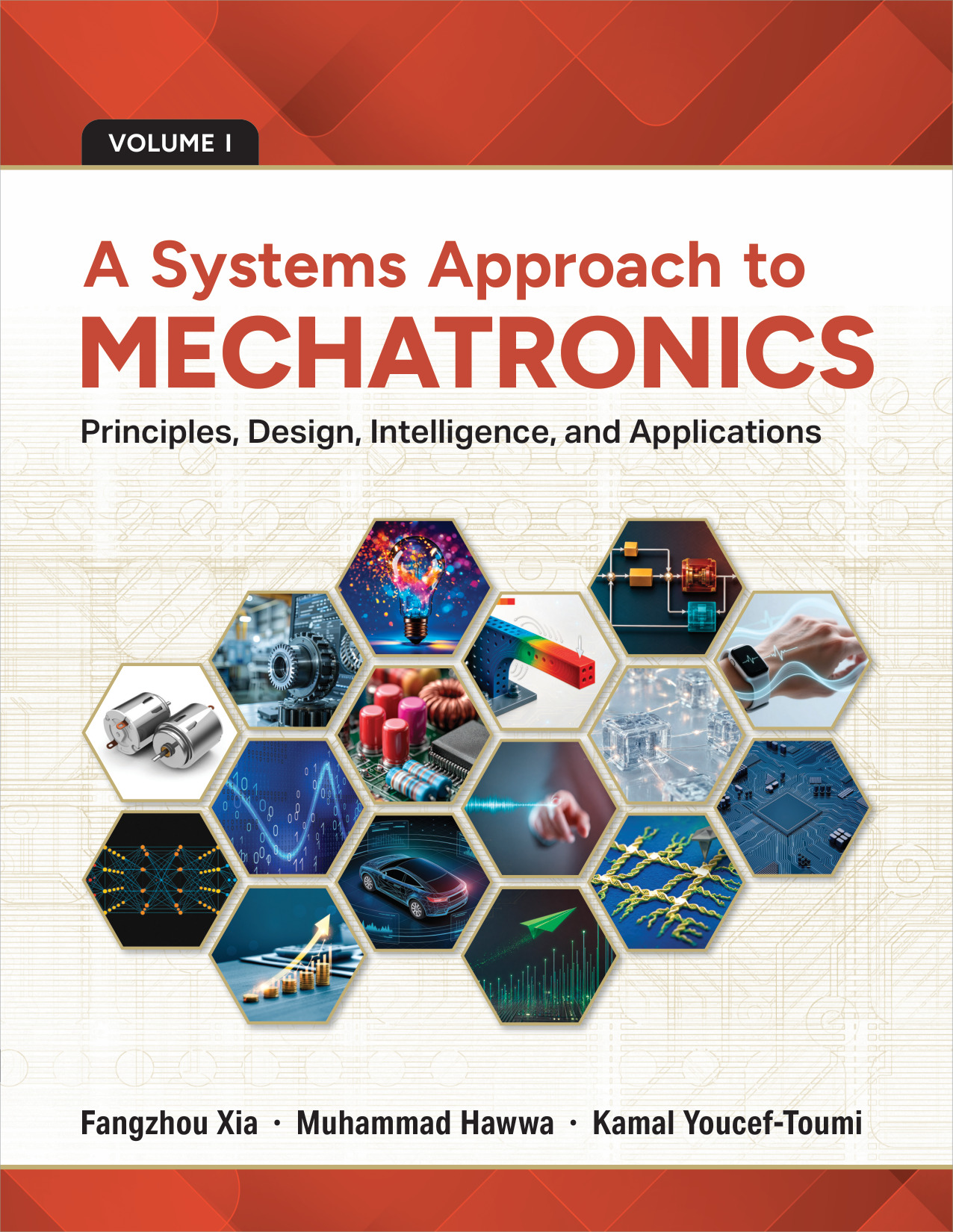
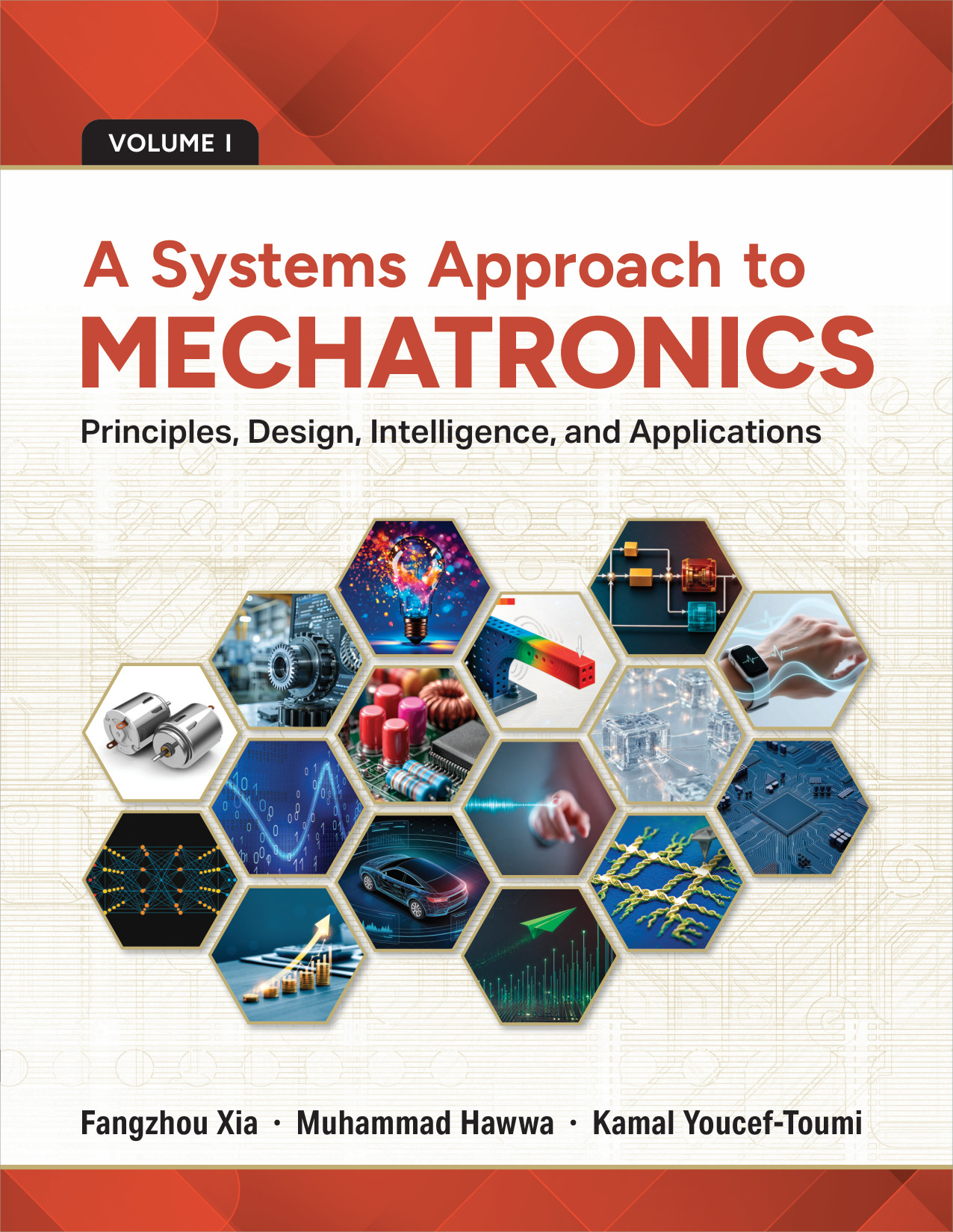
Mechatronics Book — Expected in 2027
Expected in 2027, A Systems Approach to Mechatronics, Volume I: Principles, Design, Intelligence, and Applications by Fangzhou Xia, Muhammad Hawwa, and Kamal Youcef-Toumi introduces a systems perspective on mechatronic design, intelligence, and applications.

DEXTERA — ICRA Under Review
Submitted to ICRA 2027 and currently under review, DEXTERA turns a single RGB scene image into a digital twin for dexterous robot learning. The framework connects scene reconstruction, simulation-based data generation, policy training, and transfer to physical robots.

Advanced Mechatronics II — Join Us
Recruiting senior and graduate students for Spring 2027, ME 348F / ME 392Q combines lectures with a hands-on atomic force microscope project. Students integrate mechanical design, electronics, sensors, and feedback control to build and test a complete mechatronic instrument.

IROS 2026: Robotic Palpation
Our IROS 2026 paper combines a robot arm with a voice-coil probe for static indentation and dynamic excitation. The system maps tissue-phantom stiffness and viscoelastic properties, resolving subsurface features while combining broad surface coverage with fine local probing.




AFM Book
Active Probe Atomic Force Microscopy: A Practical Guide on Precision Instrumentation to be published by Springer Nature. The book provides AFM users and developers an under-the-hood look from an instrumentation perspective. https://link.springer.com/book/10.1007/978-3-031-44233-9

ASME DSCD TCV Best Paper Award
Our work for Samsung Electronics published in AIM 2023 as a paper titled "Multi-axis Active Vibration Suppression for Wafer Transfer Systems" won the American Society of Mechanical Engineering (ASME) Vibrations Dynamic Systems and Control Division (DSCD) Technical Committee on Vibrations (TCV) Best Student Paper Award.

Ingestible Electronics
Nanofabricated transducers and microfluidic pumps are intergrated into capsule style electronics. This can be used for health condition monitorning and drug delivery in the gastrointestinal tract as advanced medical devices.

AFM SMILER
AFM SMILER is a Scale Model Interactive Learning Extended Reality Toolkit for Atomic Force Microscopy Created with Digital Twin Technology. The tool can be used for both education and industrial instrument monitoring.