Biomechatronics: Capsule Robots

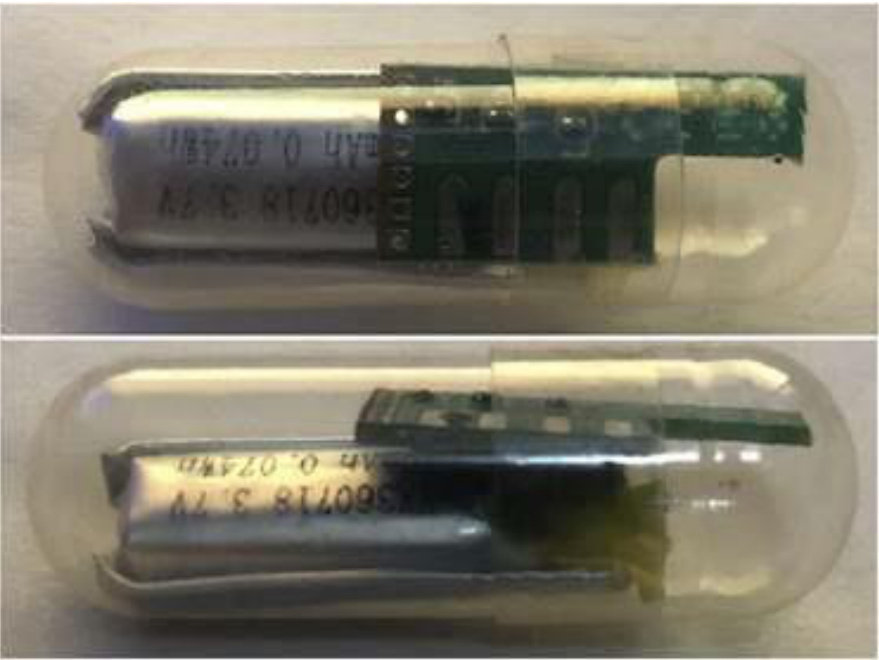
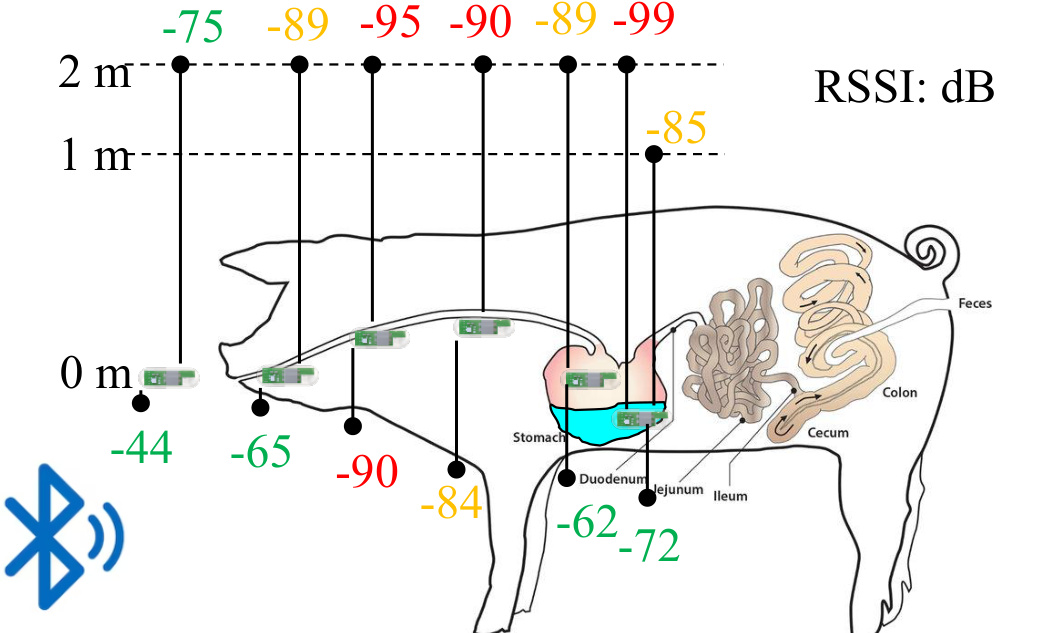
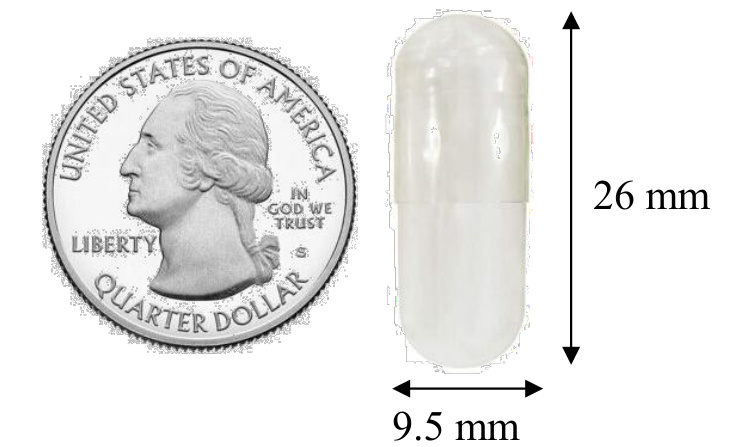
We develop ingestible capsule robots that sense, move, and interact with the gastrointestinal environment. Our goal is to extend capsule-based examination beyond passive imaging toward controlled navigation, local mechanical sensing, and sustained monitoring of gastrointestinal function.

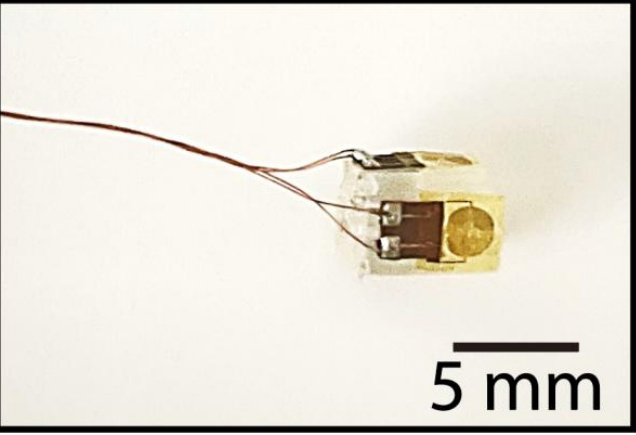
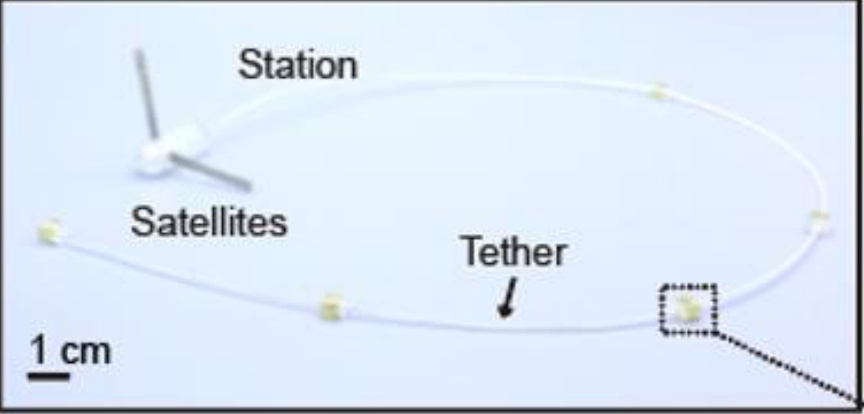
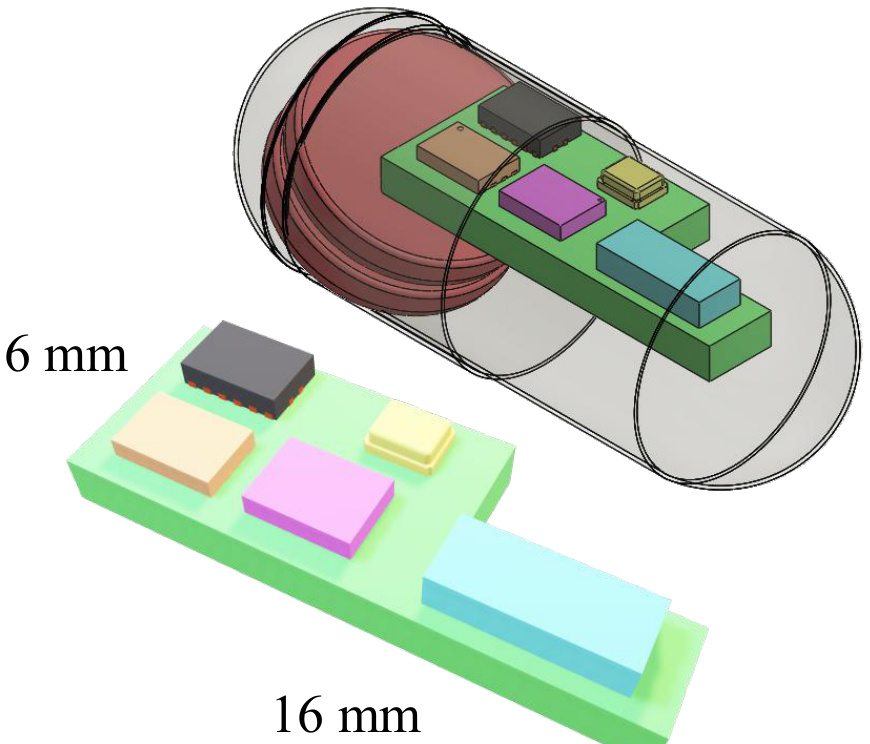
Our research combines magnetic actuation with miniature transducers, wireless electronics, soft test phantoms, and model-based estimation and control. Prior work on long-residence capsule systems and distributed sensors informs current efforts in magnetic navigation, IMU-based motion coherence, palpation, and compact surrogate models for real-time control.

Research Image Gallery

Capsule Robot Magnetic Navigation

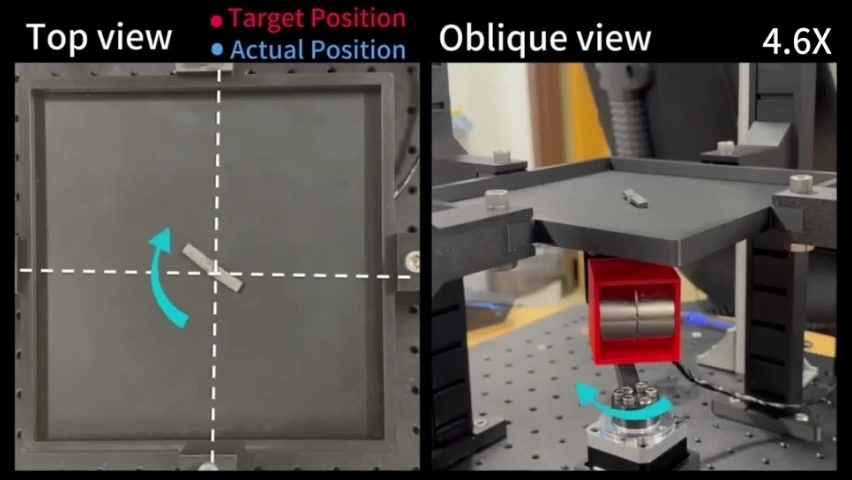
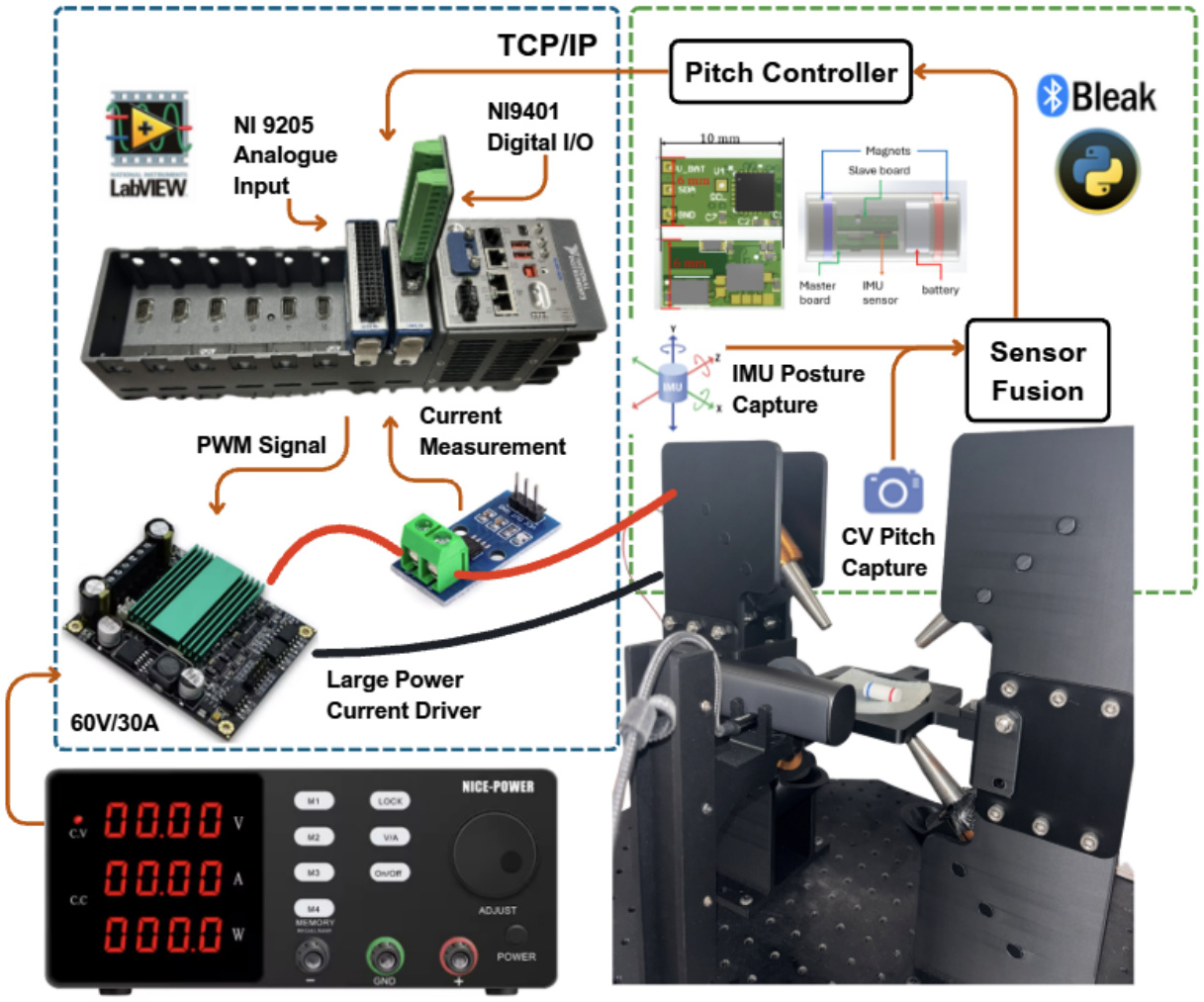
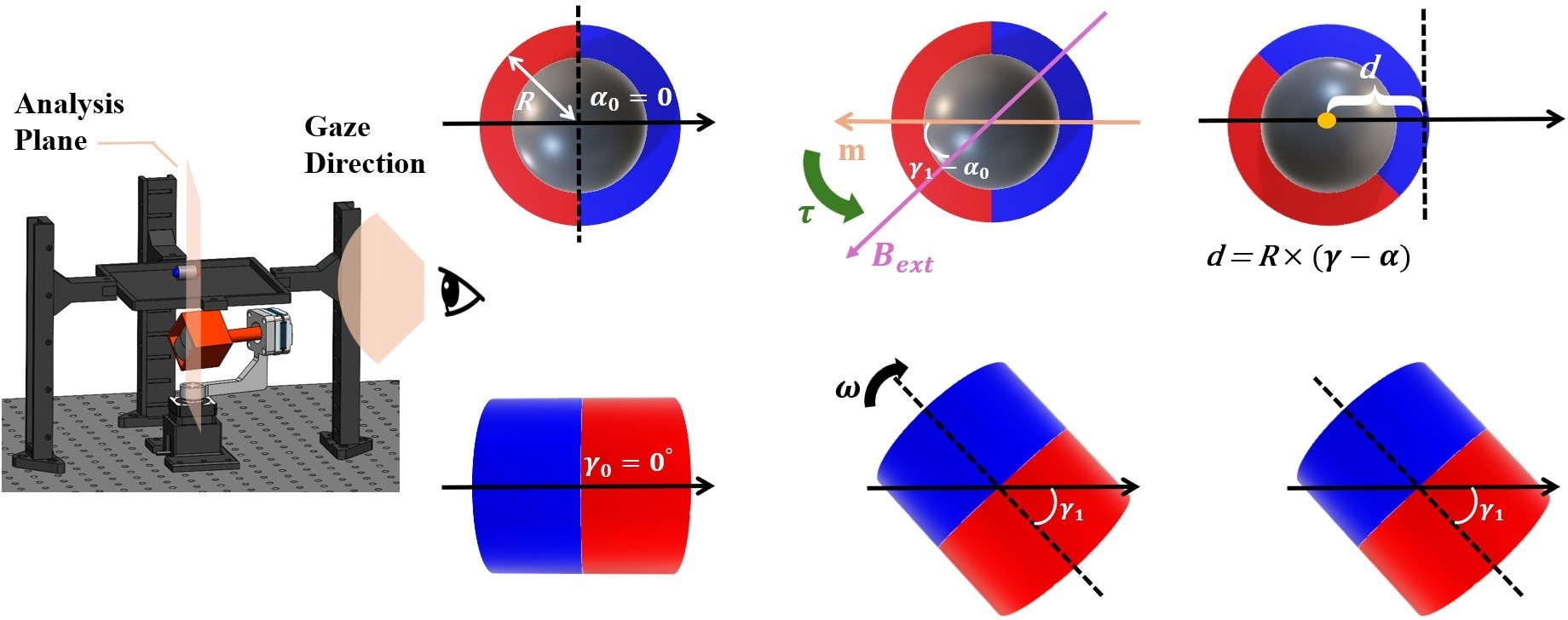
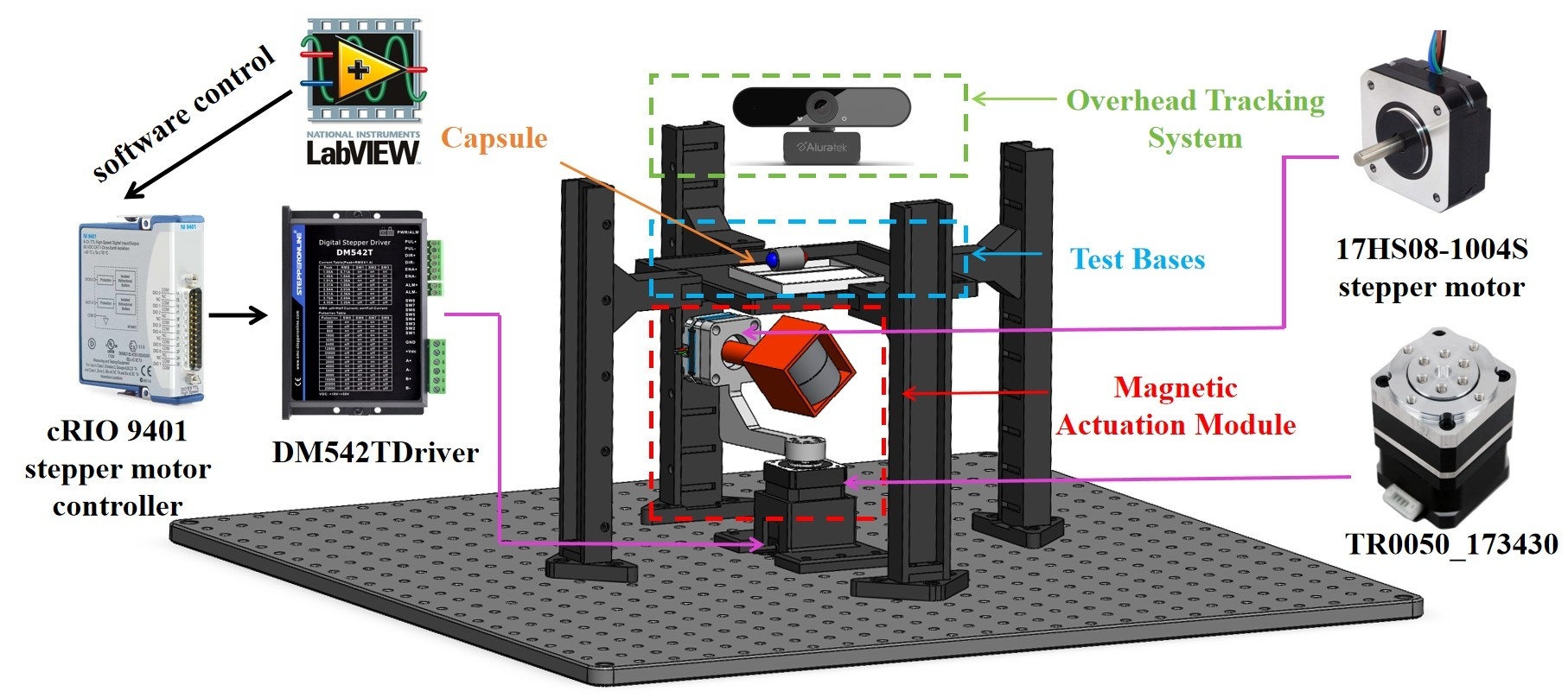
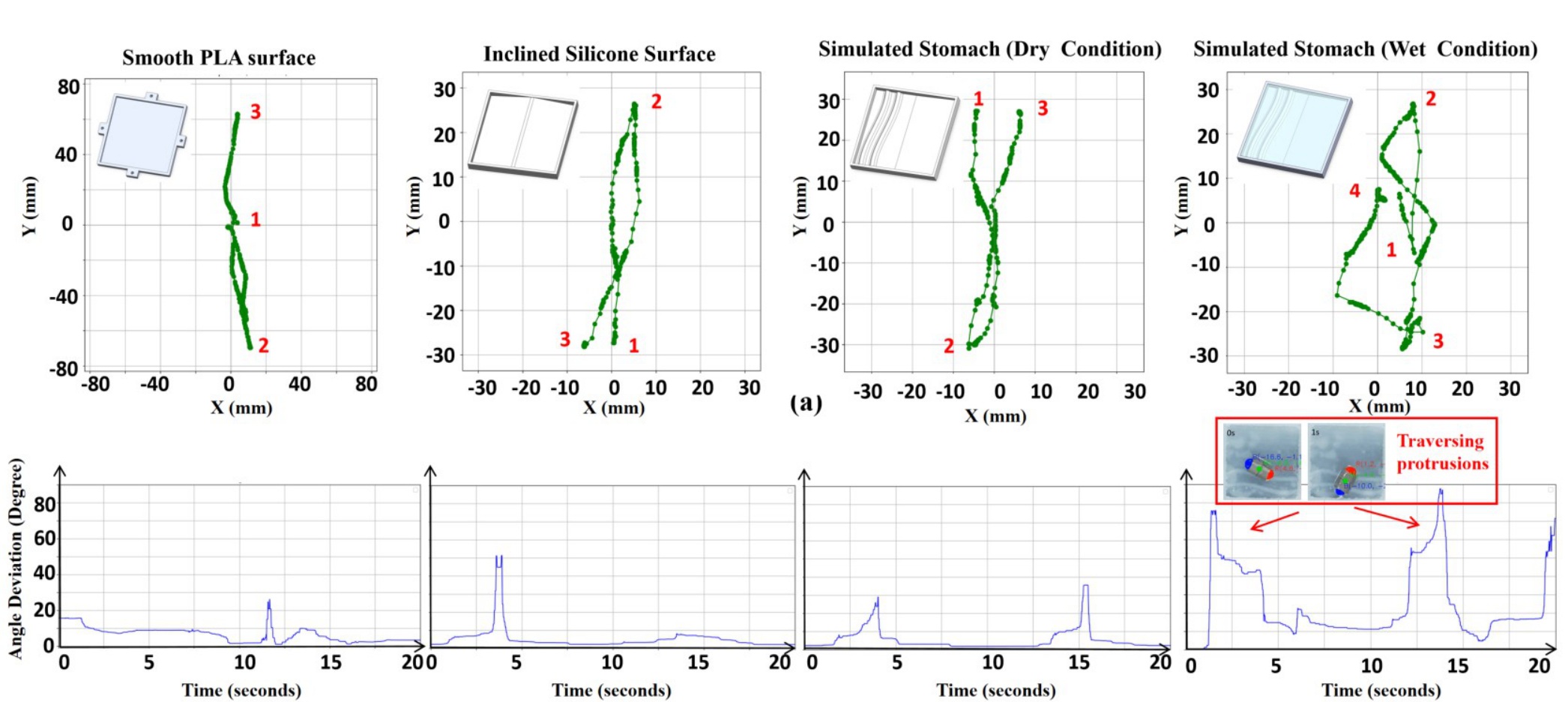
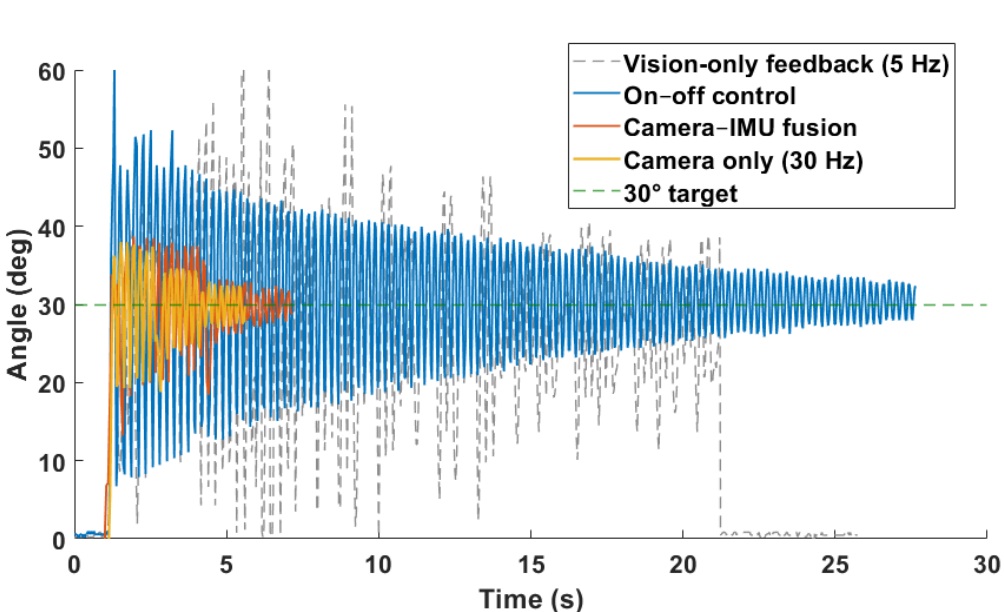
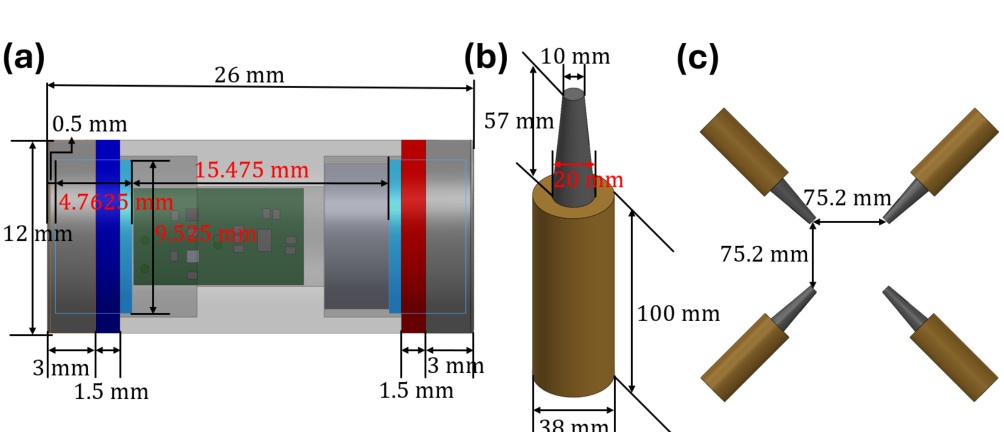
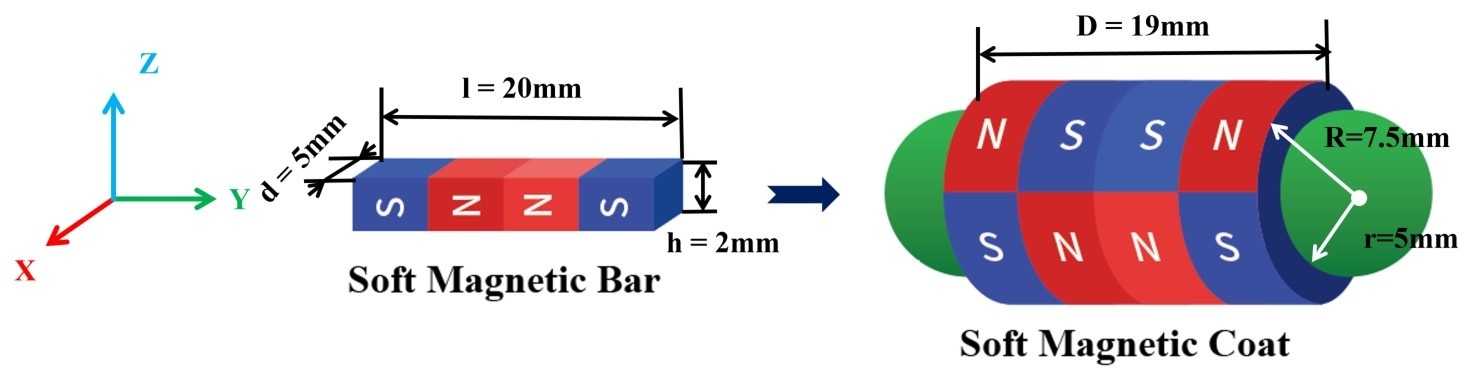
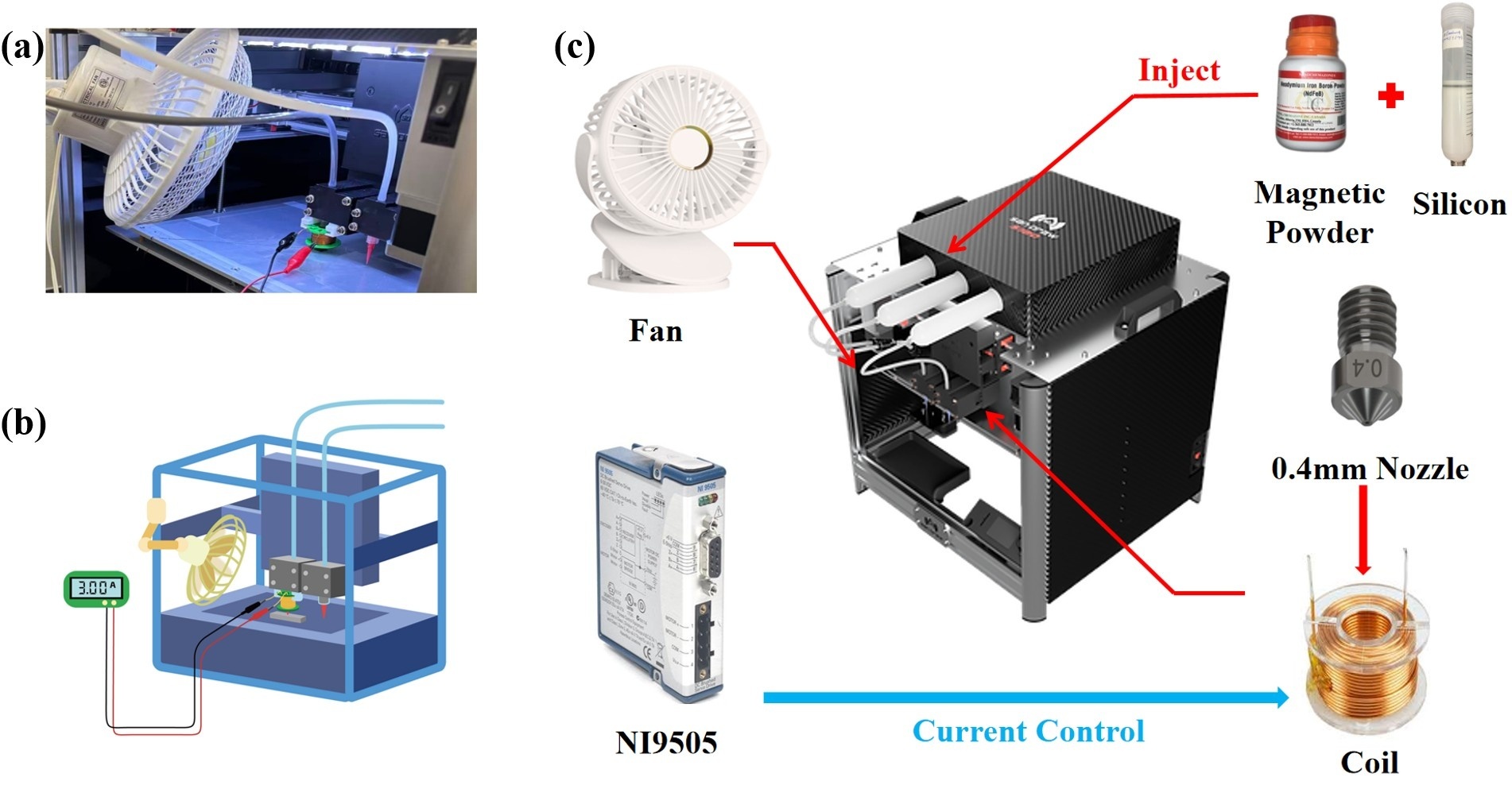
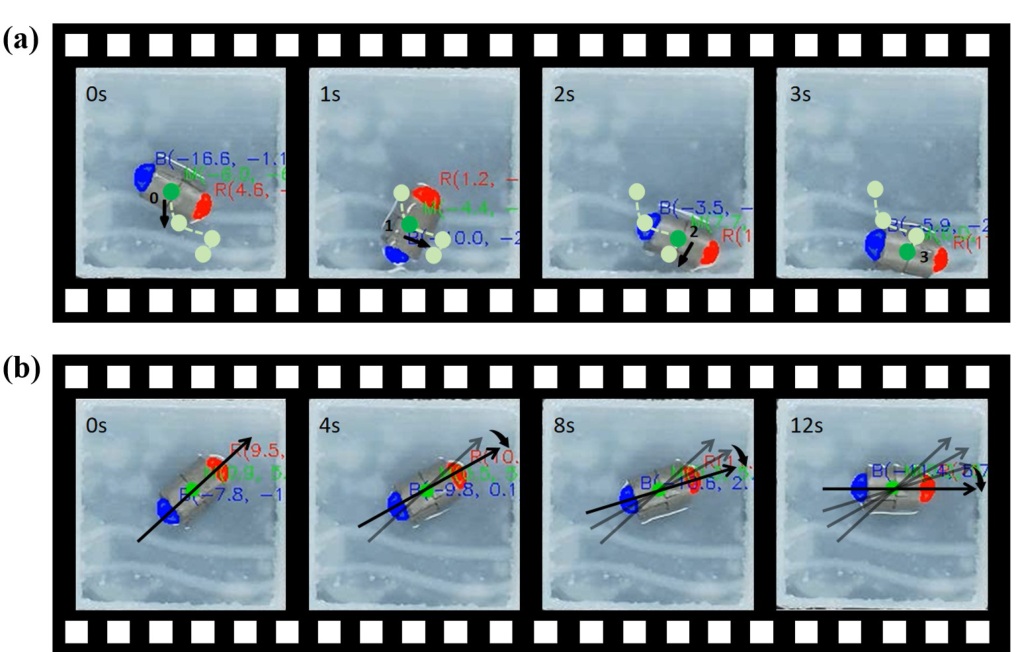
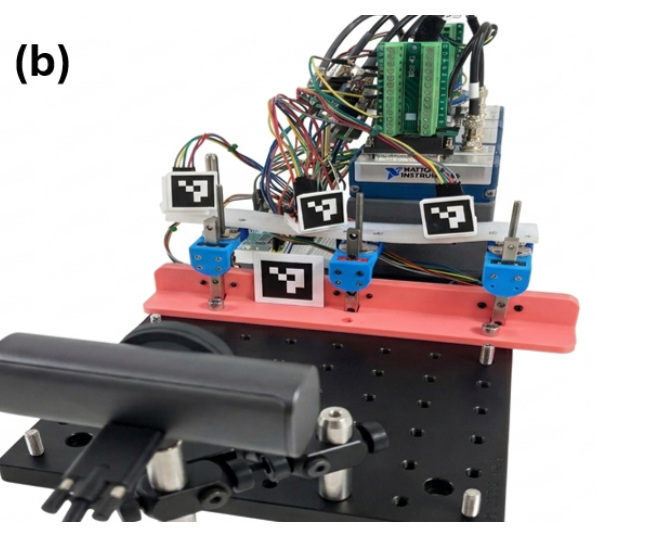
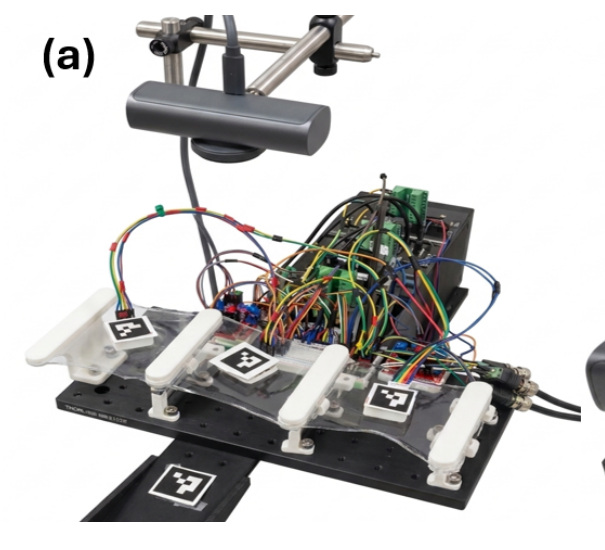
We develop external magnetic actuation for capsule motion and controlled contact with soft surfaces. Programmable coatings enable rolling and yaw steering, while a complementary four-coil platform regulates pitch with model predictive control and IMU–camera fusion.

  • Objective: Control capsule orientation and locomotion while preserving internal space for sensing payloads.
  • Significance: Stable motion and contact support targeted sensing and future capsule interventions.
  • Result: Benchtop studies demonstrate rolling on varied surfaces and pitch regulation with reduced oscillation. The coating and pitch studies use separate platforms.
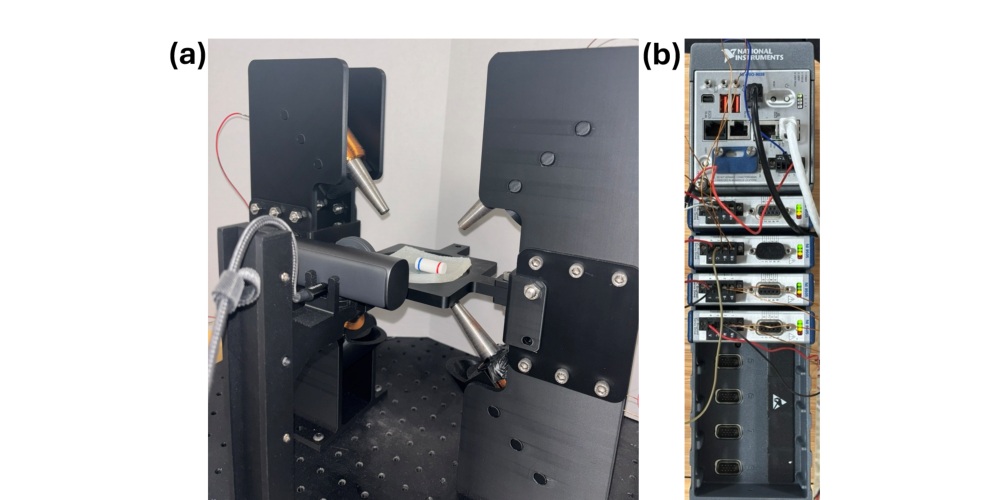
Programmable coating fabrication and an externally actuated capsule testbed.

Magnetic Coating System

Programmable coating fabrication and an externally actuated capsule testbed.

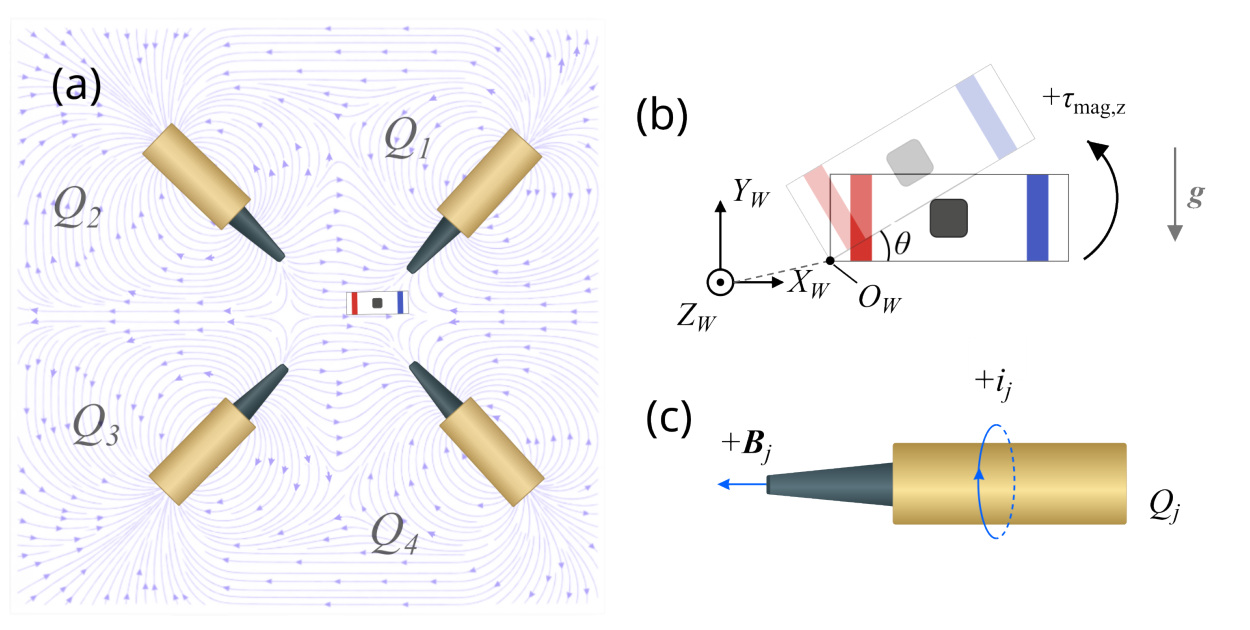
A benchtop coil array tests capsule pitch regulation on a soft phantom.

Four-Coil Navigation Platform

A benchtop coil array tests capsule pitch regulation on a soft phantom.

MPC and IMU–camera fusion reduce oscillation during pitch reorientation.

Pitch Regulation with Sensor Fusion

MPC and IMU–camera fusion reduce oscillation during pitch reorientation.

Coherence Detection with IMU

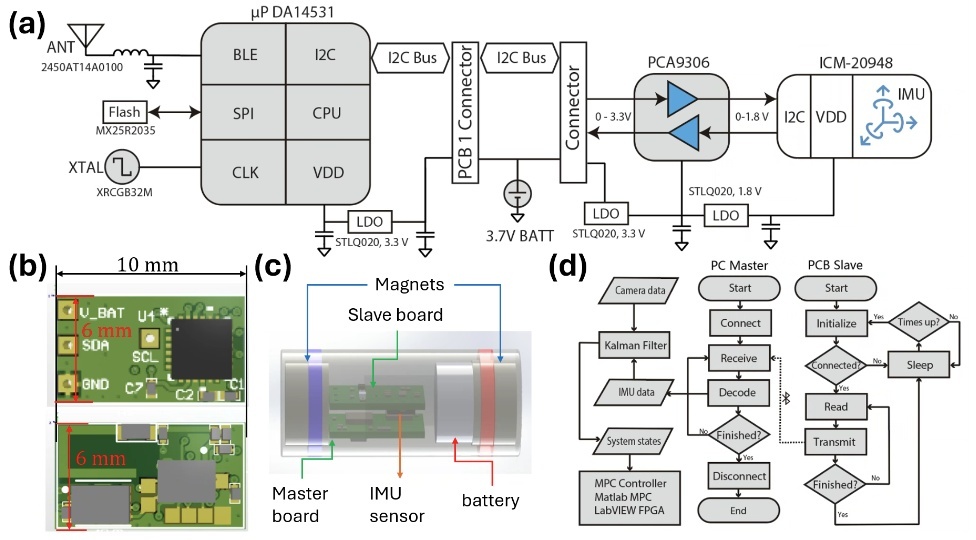
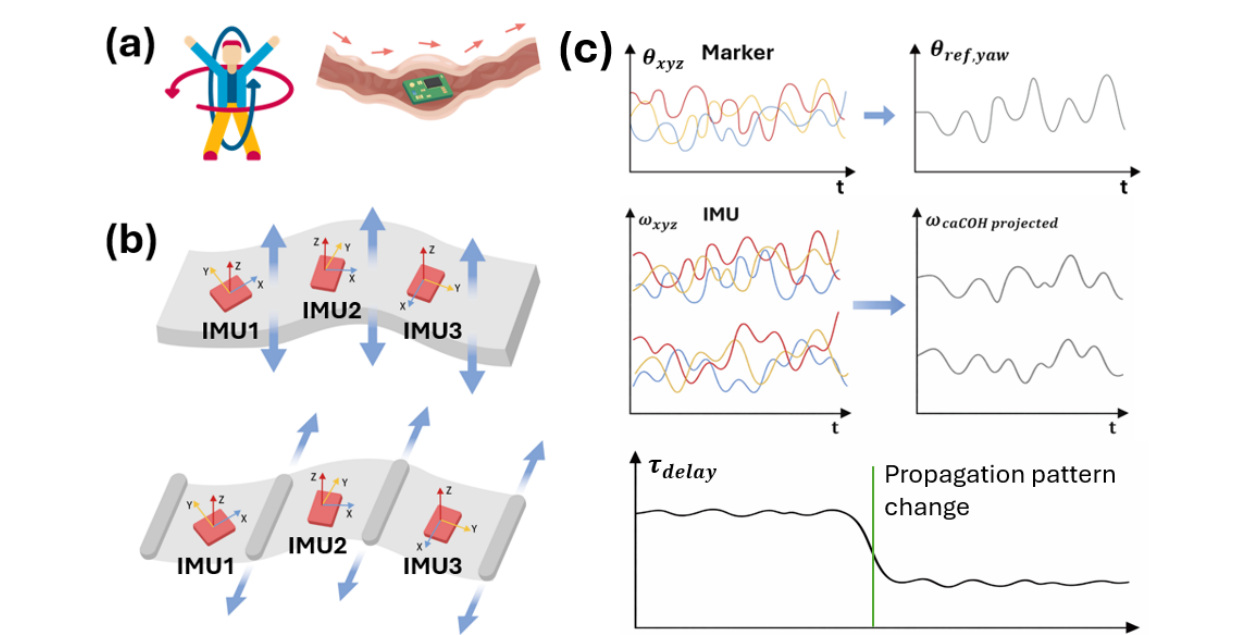
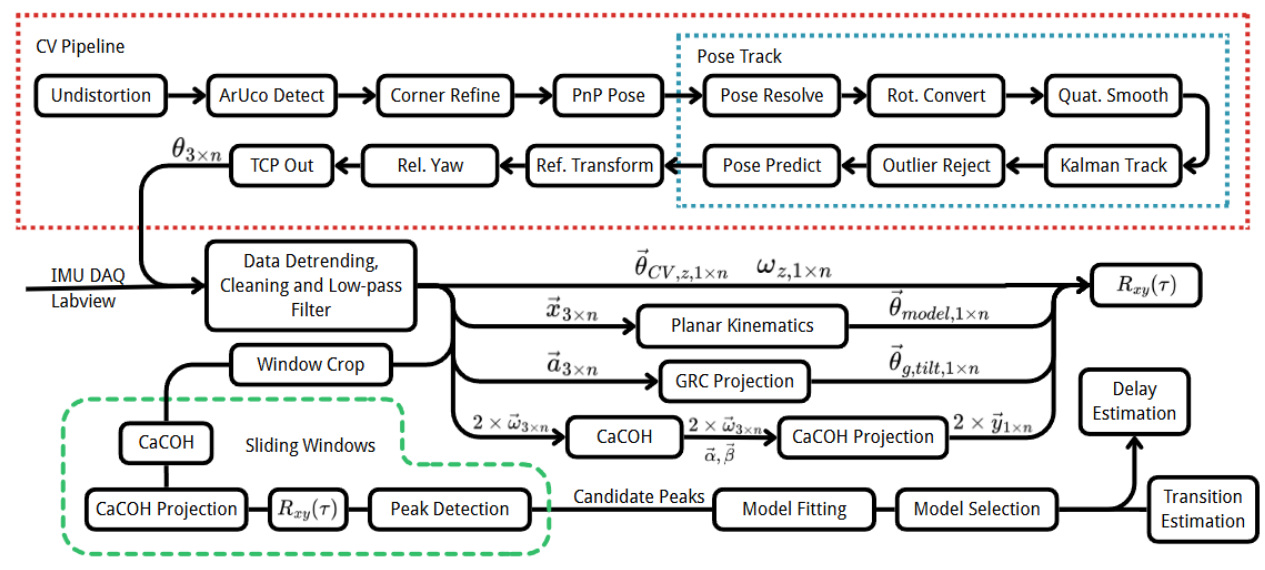
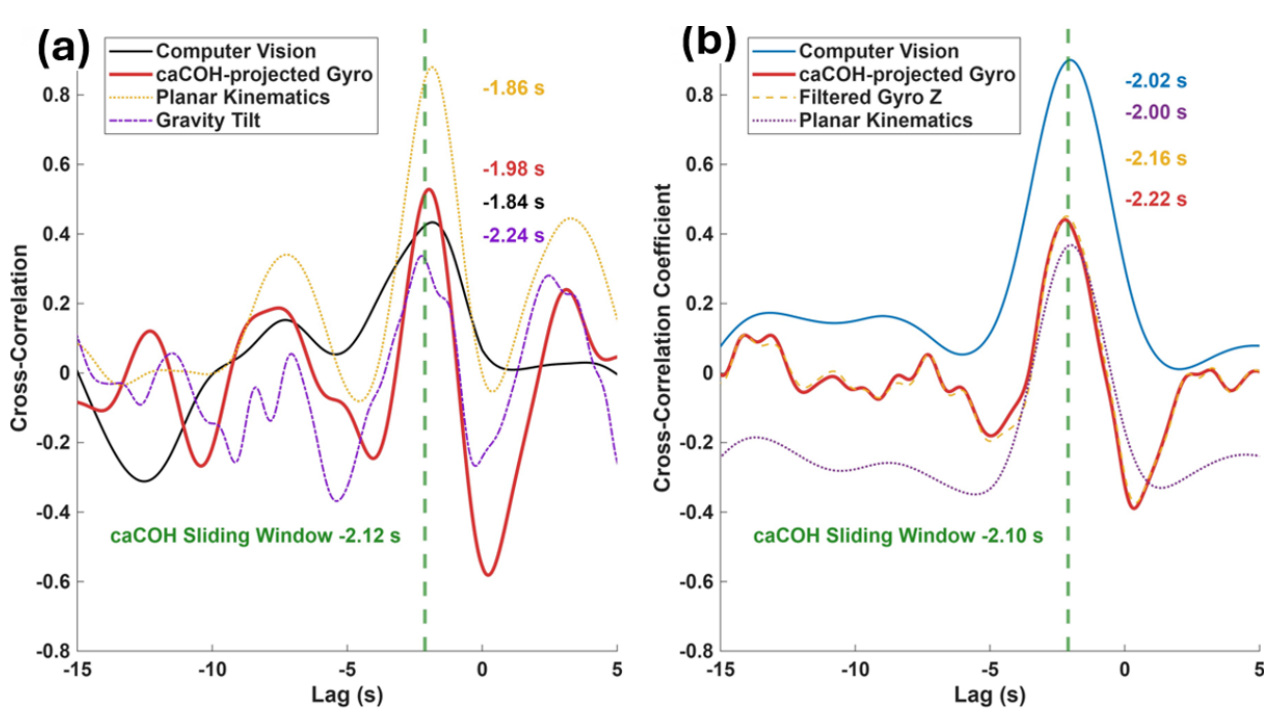
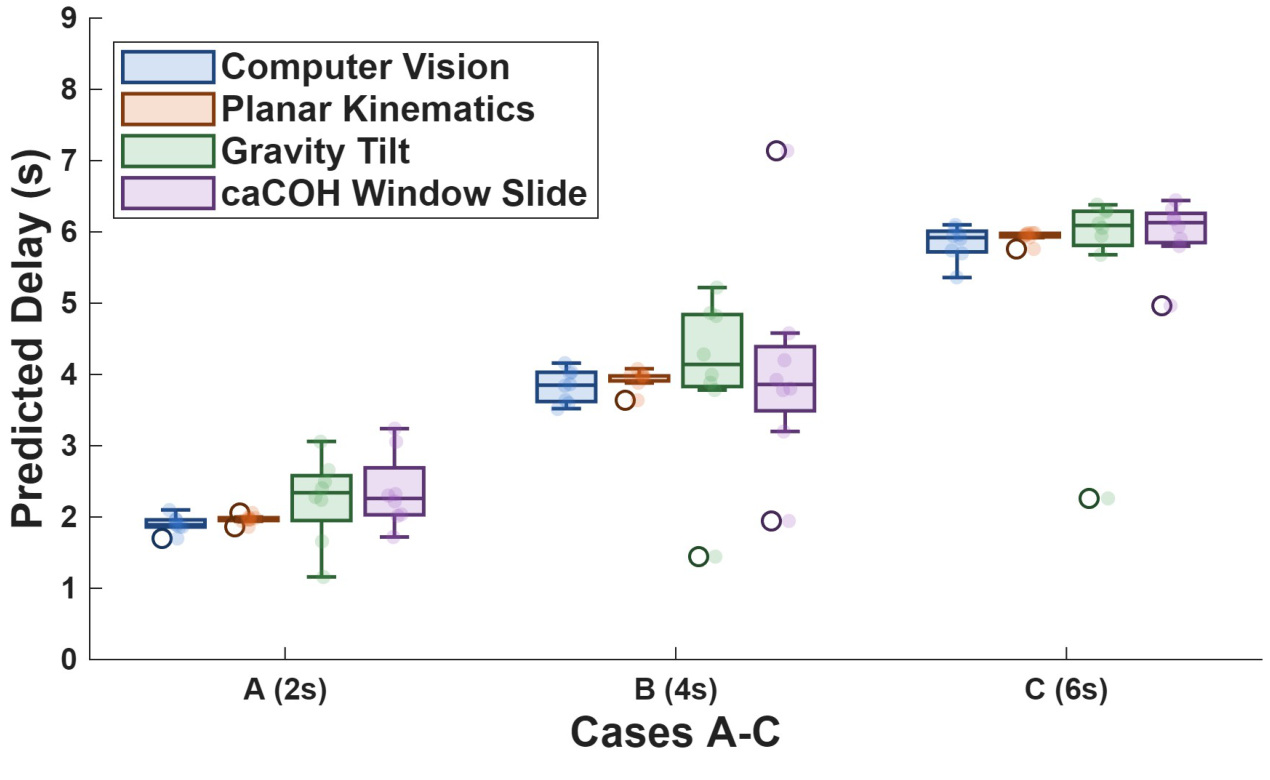
We study how unaligned inertial sensors can recover propagating motion on deformable surfaces. Canonical maximization of coherence combines each IMU’s three gyroscope axes, and cross-correlation estimates the delay between sensors.

  • Objective: Recover coordinated motion and changes in propagation timing from distributed IMUs.
  • Significance: Alignment-independent sensing provides a foundation for capsule-based monitoring of gastrointestinal motility.
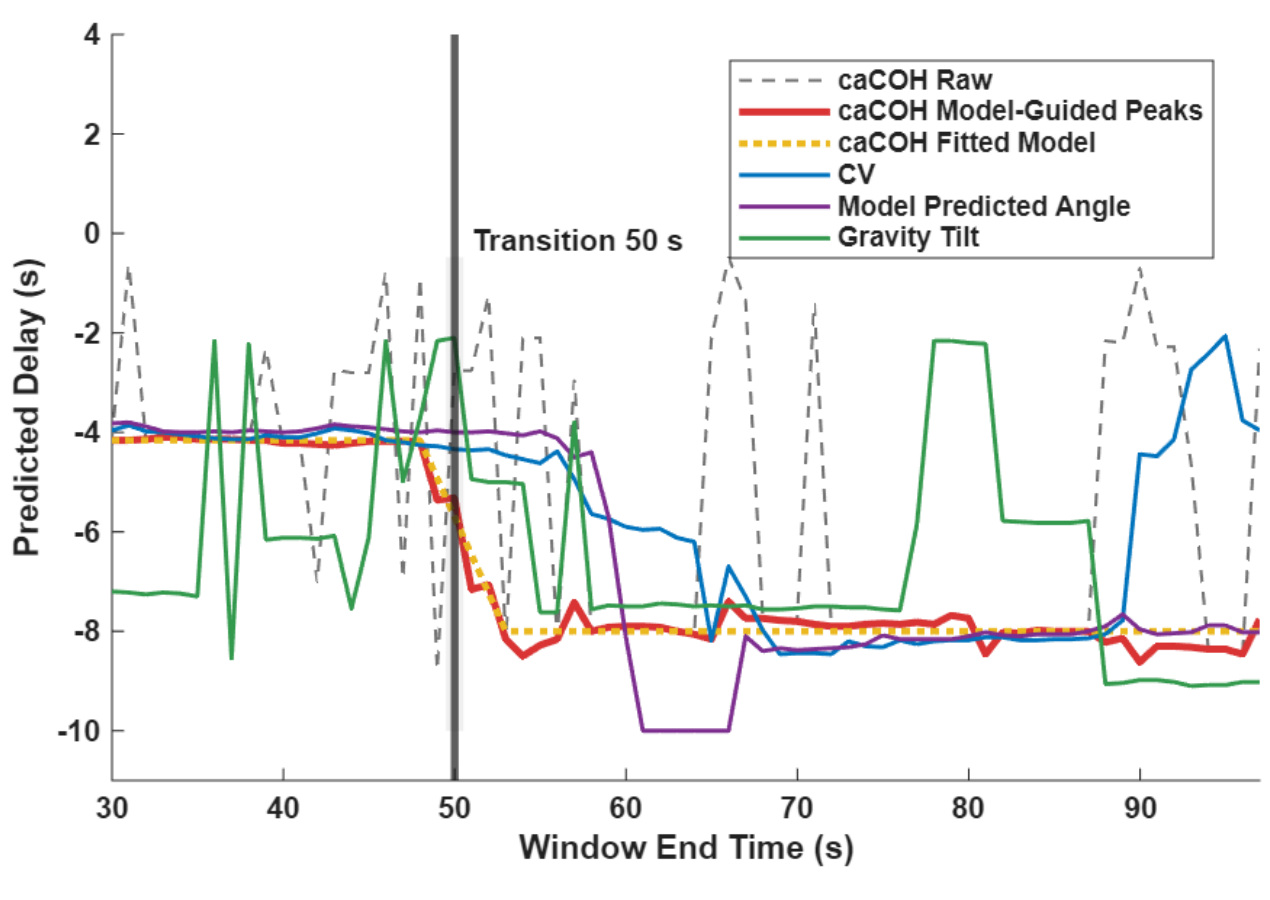
  • Result: Phantom tests preserved the ordering of 2, 4, and 6 s delays and tracked a programmed delay transition.
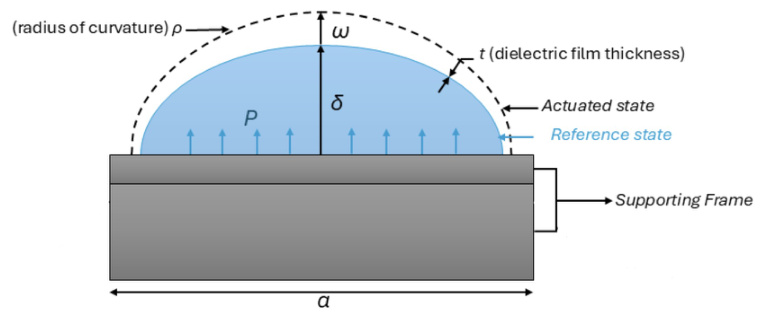
Embedded IMUs recover shared motion as deformation propagates through a soft phantom.

IMU Motion Sensing

Embedded IMUs recover shared motion as deformation propagates through a soft phantom.

Three-axis gyroscope projections and cross-correlation estimate propagation delay.

Coherence and Delay Recovery

Three-axis gyroscope projections and cross-correlation estimate propagation delay.

Sliding windows track a programmed change in propagation delay.

Tracking a Delay Transition

Sliding windows track a programmed change in propagation delay.

Magnetic Palpation

We aim to combine magnetic capsule positioning with controlled tissue contact to measure local mechanical properties. Supporting robotic palpation experiments provide contact models and validation methods for this capsule research direction.

  • Objective: Develop magnetic palpation that links contact excitation and sensing to local stiffness assessment.
  • Significance: Mechanical measurements could complement visual capsule examination with information about tissue properties.
  • Result: A robot-arm and voice-coil benchmark demonstrated stiffness contrast and subsurface-channel mapping in soft phantoms. Capsule magnetic palpation remains in development.
A KUKA-mounted voice-coil probe supports static and dynamic tissue-phantom tests.

Robotic Palpation Benchmark

A KUKA-mounted voice-coil probe supports static and dynamic tissue-phantom tests.

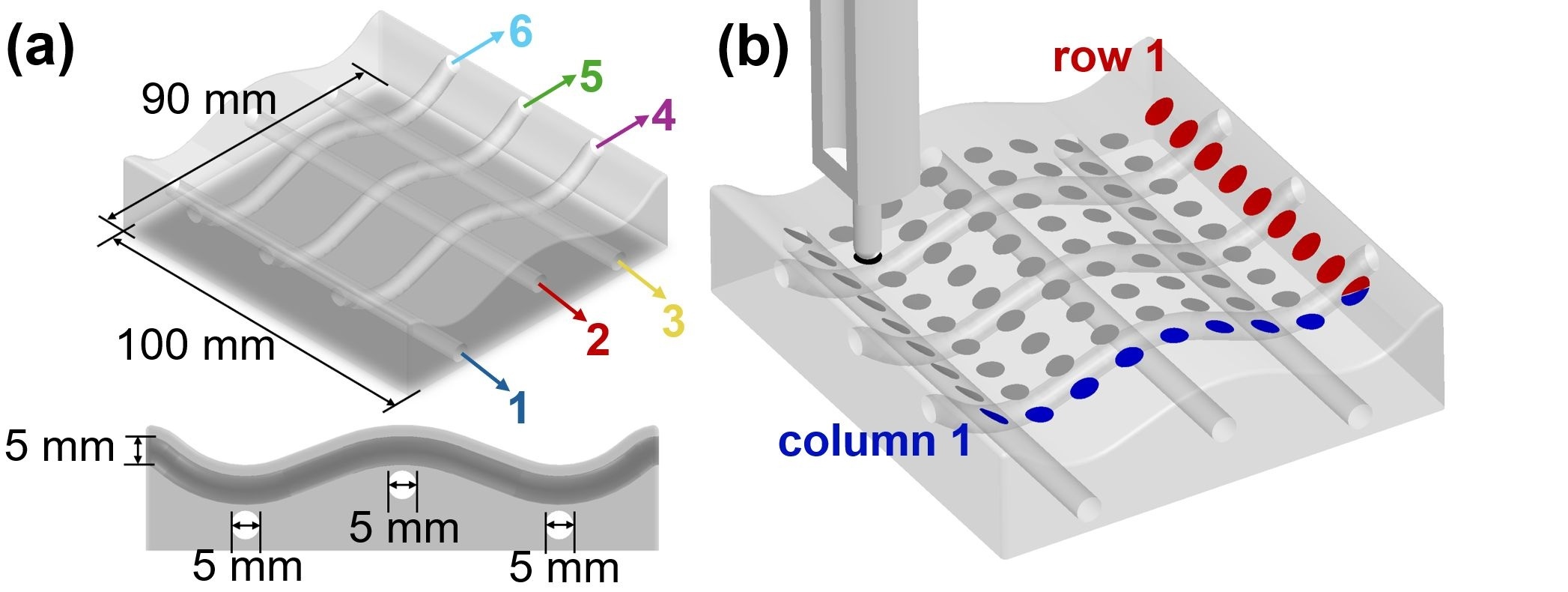
Six internal air channels and a probing grid support robotic palpation validation.

Embedded-Channel Phantom

Six internal air channels and a probing grid support robotic palpation validation.

Robotic indentation reveals shallow subsurface channels through stiffness contrast.

Phantom Stiffness Map

Robotic indentation reveals shallow subsurface channels through stiffness contrast.

Surrogate Model

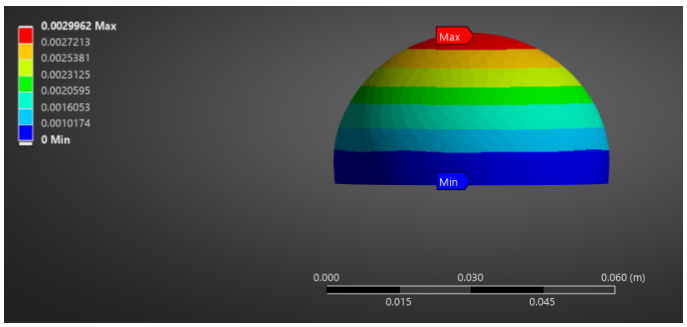
We develop compact magnetic torque models for capsule pitch control. Finite-element analysis supplies training data, and a small nominal model predicts torque during bounded allocation of two coil-pair currents.

  • Objective: Connect FEA-informed modeling to real-time magnetic control under current limits.
  • Significance: Compact models reduce online computation while retaining the nonlinear dependence on capsule angle and coil currents.
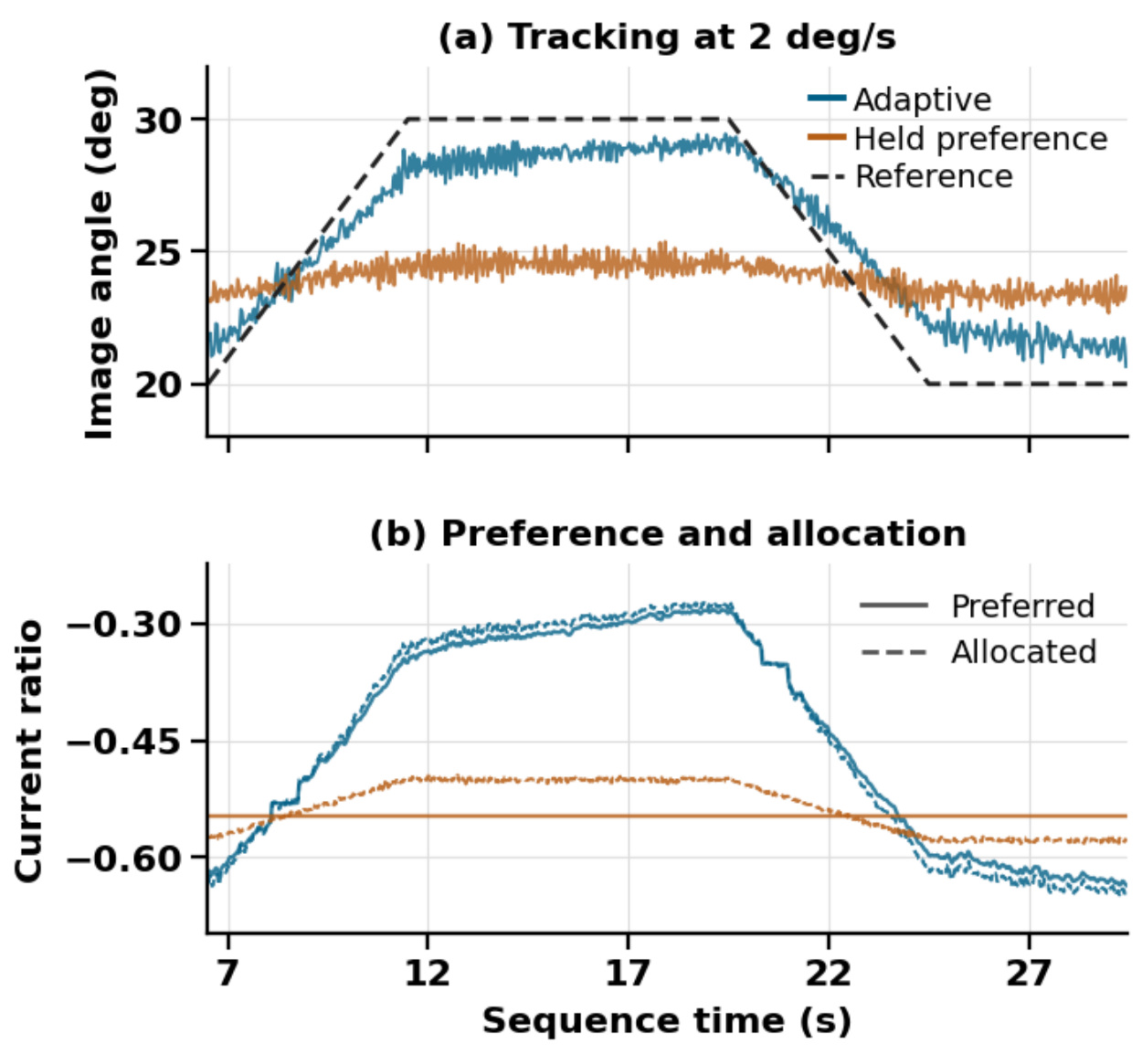
  • Result: Adaptive current allocation reduced mean tracking RMSE from 4.65° to 1.38° (20°–30° targets; three trials per condition).
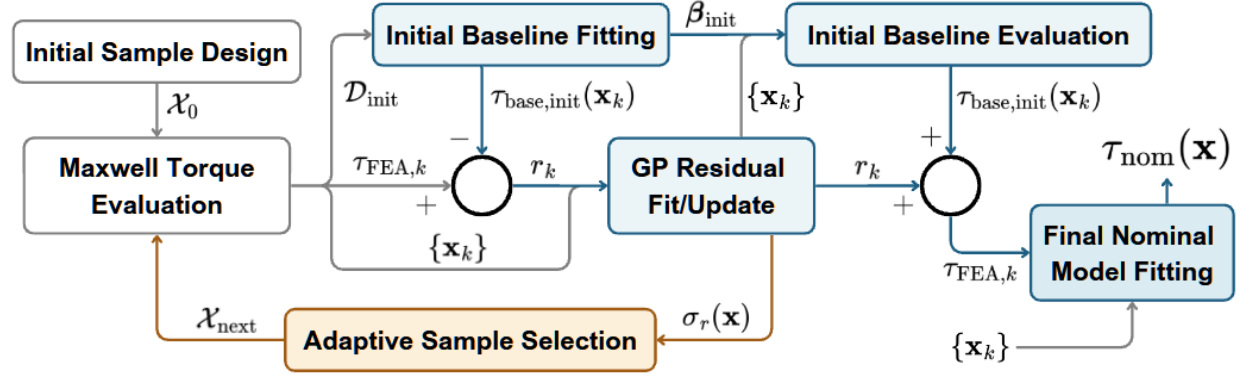
A residual GP guides sampling before a compact nominal model is fitted for control.

FEA to Compact Surrogate

A residual GP guides sampling before a compact nominal model is fitted for control.

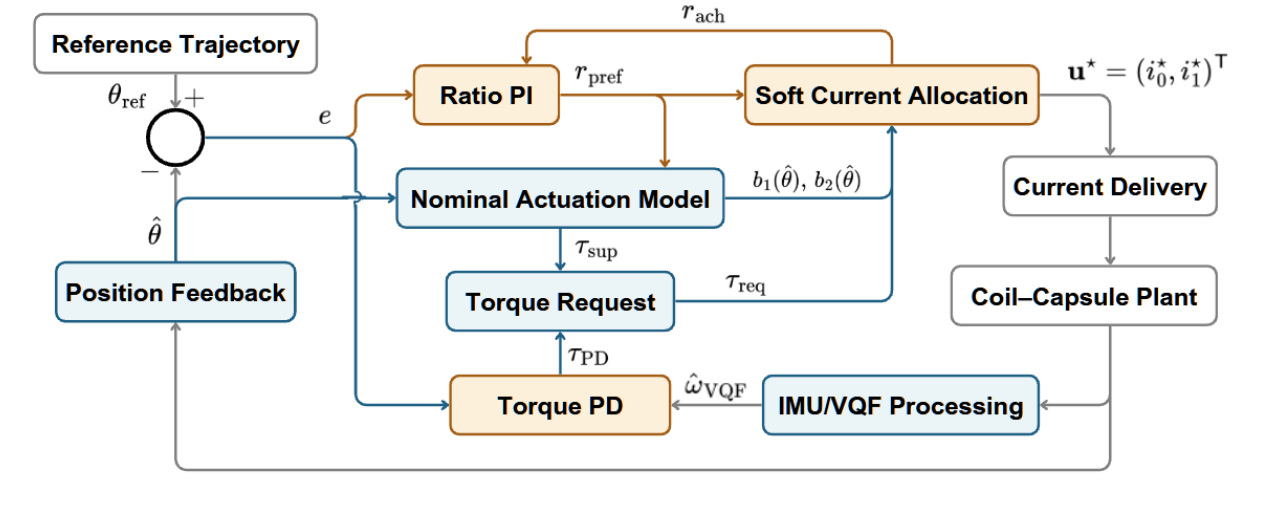
The nominal torque model allocates two coil-pair currents within hardware limits.

Bounded Current Allocation

The nominal torque model allocates two coil-pair currents within hardware limits.

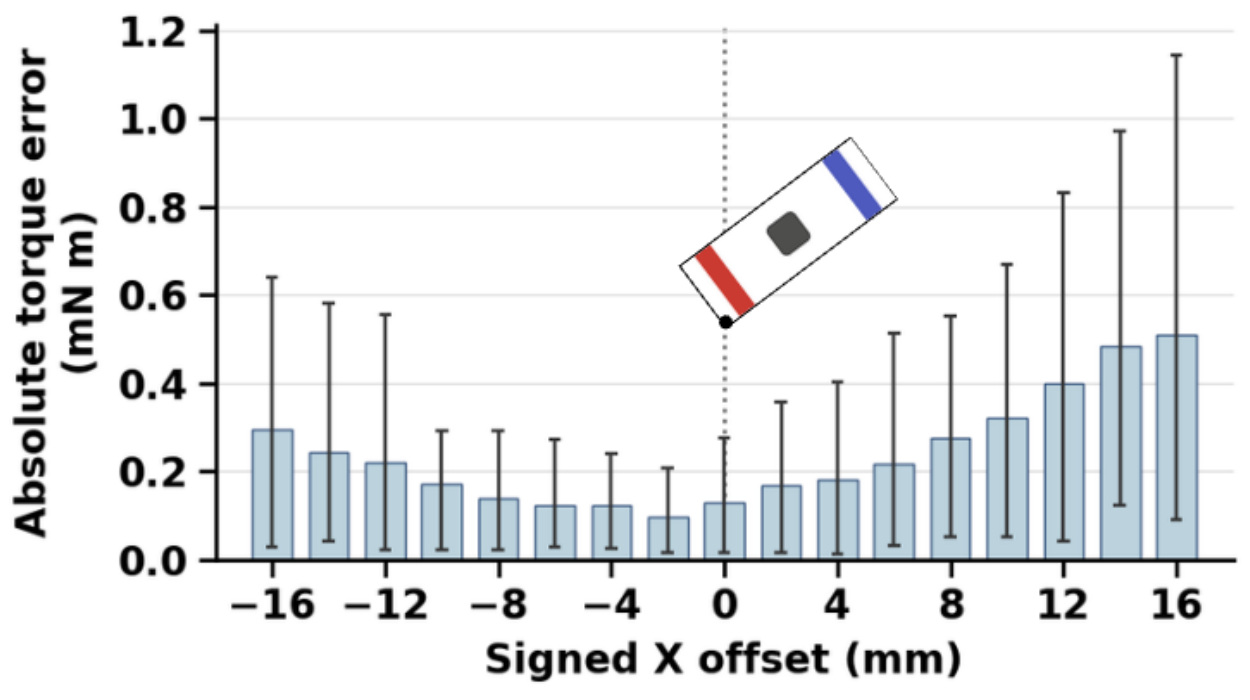
Adaptive ratio preference improves tracking in the tested 20°–30° reference trials.

Adaptive Current Preference

Adaptive ratio preference improves tracking in the tested 20°–30° reference trials.

© MINIMAX Lab, Walker Department of Mechanical Engineering, The University of Texas at Austin. All rights reserved.